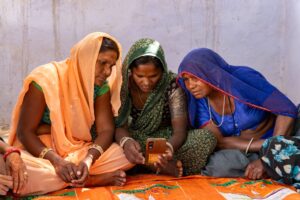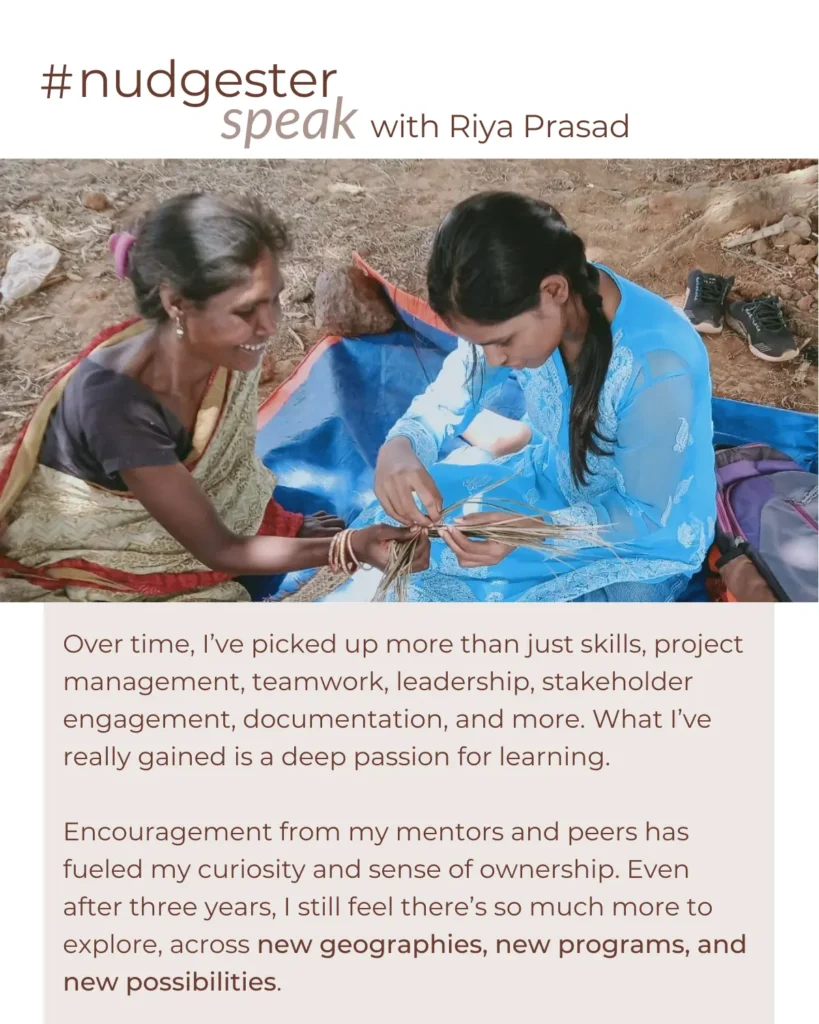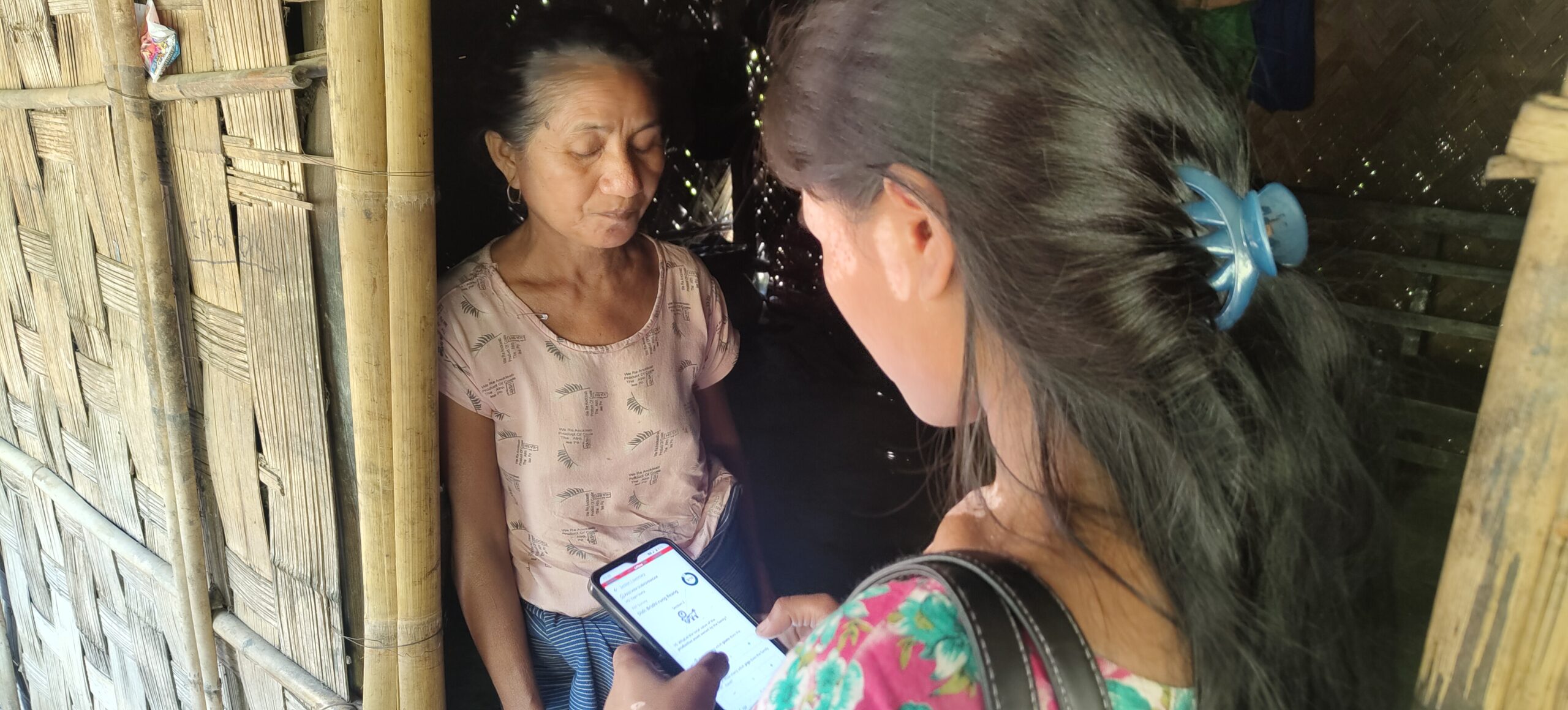
“While you walk through the hills of my village in the East Khasi Hills of Meghalaya, exhaustion takes over. Even as you descend through the hills after a day’s work, you are faced with steep and narrow passes. Then comes the realisation that a data sync has failed silently, and the record of the household doesn’t exist. So you go back,” says Sarina*, a Changemaker under the Samaveshi Aajeevika Yojana’s pilot project WISE, being implemented in Meghalaya.
Her words have stayed with me, not as a technology failure but as a human one.
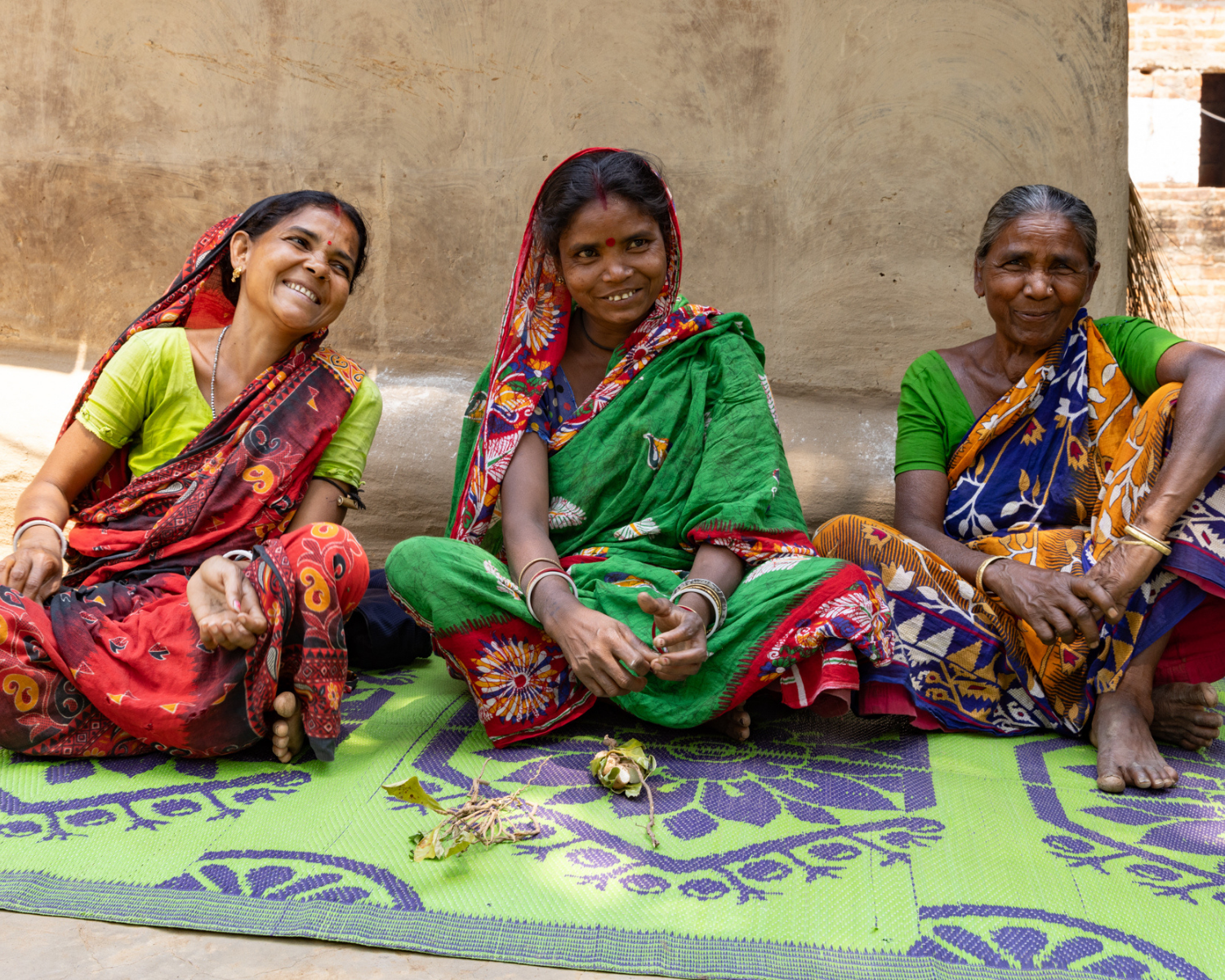
India is home to over 80 million people living in multidimensional poverty, so resource-constrained that conventional development programs do not reach them. The Graduation Approach, on which the Samaveshi Aajeevika Yojana and its pilots are modelled, offers a structured pathway: identify the multidimensionally poor, provide productive assets, ensure intensive coaching, layer it with financial inclusion, government entitlement linkage, health, nutrition, and gender empowerment, and track the household’s journey to sustainable livelihood over 24 to 36 months. The people who hold this program together at the last mile are the Changemakers.
Often, when we talk about scale, we talk about reach. How many households? How many states? How many districts? These are essential questions, but they obscure a more fundamental one: through whom is scale achieved?
It is the Changemaker.
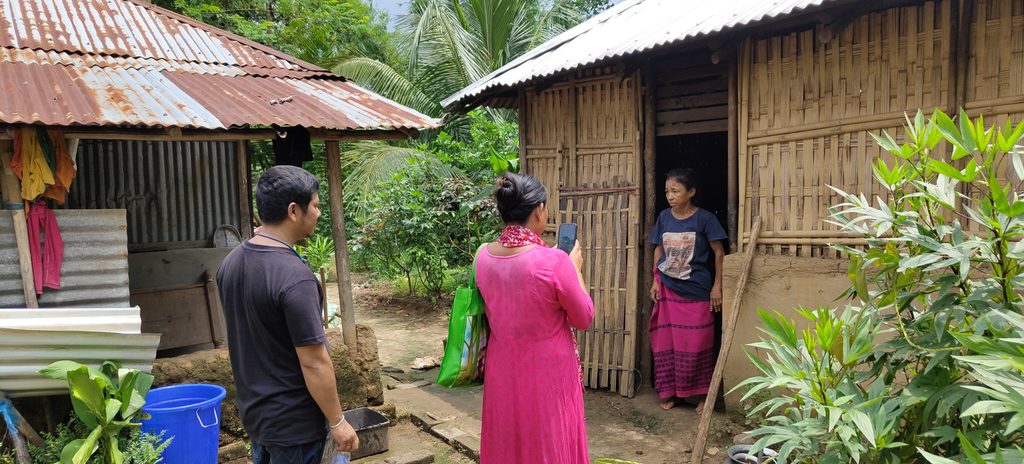
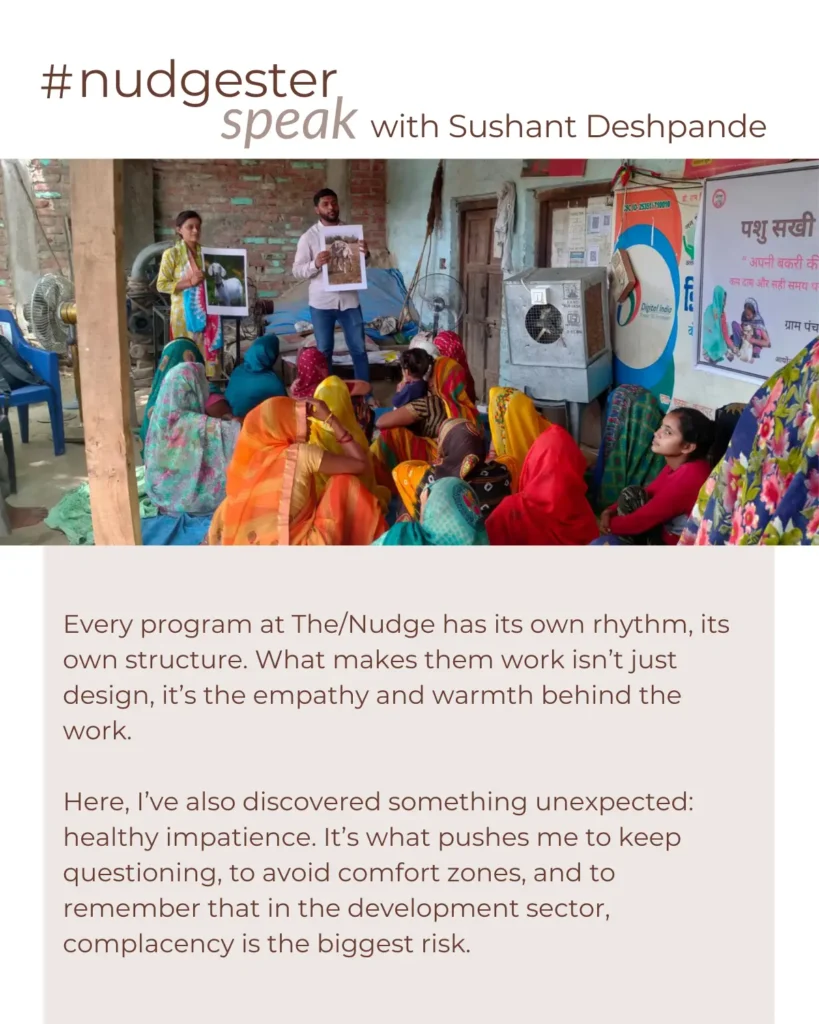
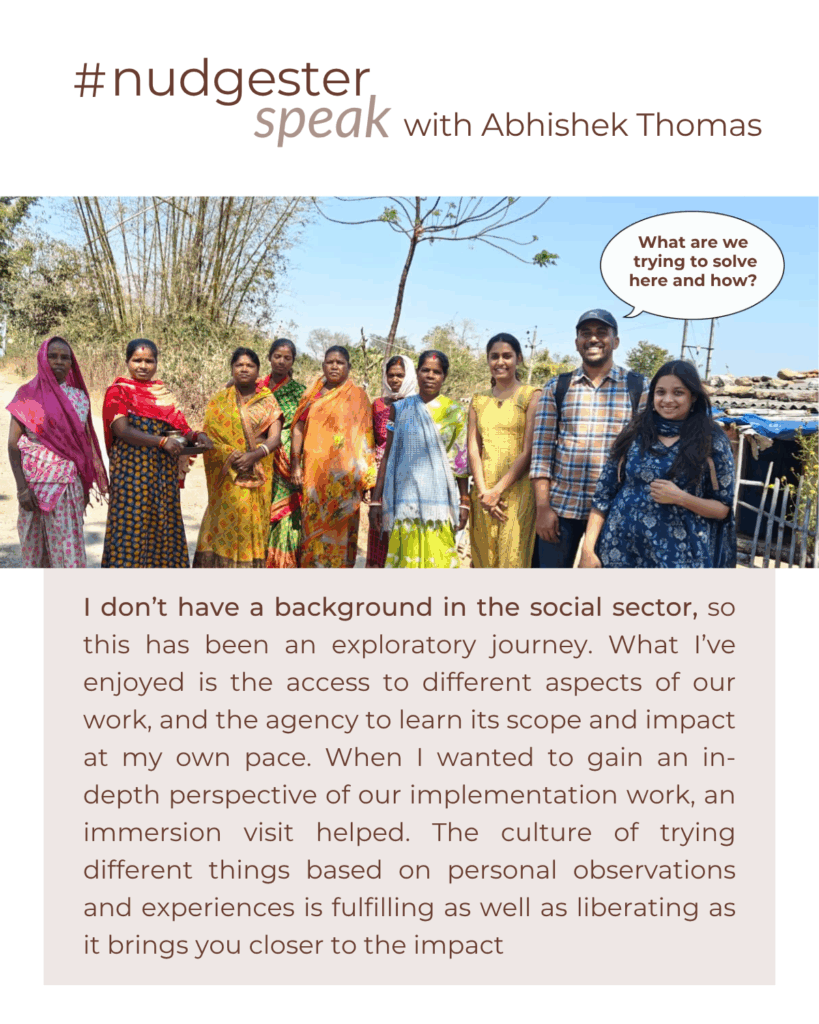
Every household recorded, every mission completed, every livelihood tracked — it flows through them. Yet they are operating in conditions that most technology is not designed for, often contending with weak or absent network coverage, intermittent electricity, and a shared device. Their cognitive load is already consumed by the relationship they build with program participant Didis, and the coaching and handholding they provide to them, who may have limited understanding and faith in formal systems.
This is why building scalable systems for economic inclusion is, first and foremost, building for resilience.
In most technology contexts, scale means handling more users and more transactions. The infrastructure challenge is real, but the user is generally connected, digitally literate, and forgiving of friction.
Here, scale means something else entirely. The first principle is not performance; it is resilience. The system must be offline-first, storing data locally on the device and syncing reliably when connectivity returns, with automatic conflict resolution that doesn’t require the Changemaker to intervene. The second principle is forgiveness: incomplete entries, interrupted sessions, and input errors cannot cascade into corrupted household records. Data integrity must be protected by the system, not by the user. The third, and perhaps hardest, is restraint: every screen, every tap, every data field must earn its place. Cognitive load is the real UX metric here, not engagement or session time.
A failed sync is not a notification to dismiss. It is a full day’s trek done twice by someone who has already done the work and given everything they had.
At the scale of hundreds of Changemakers across six states, silent failures and tool abandonment don’t just create bad dashboards. They create gaps in the program design and delivery—invisible Didis whose graduation journey is not tracked, whose progress is not captured, and who will eventually fall through the program’s cracks without anyone knowing.
This is why adoption of technology by Changemakers is not a training problem. It is a central design problem.
If the system truly works for them, it must work offline-first, in low-literacy environments, with an interface that reduces their cognitive load. Then the data flows, the household is tracked, the program learns, and the scale becomes real.
We built Sarathi on this premise. Not as a data-collection tool but as a field companion, one that holds the Didi’s story even when the network fails, adapts to the constraints of the terrain, and disappears into the background so that at the core of the program is the human relationship between the Changemaker and the Didi working towards economic resilience.
The person closest to the problem is not the last node in the delivery chain. They are the unit of scale.
Build for them first. Everything else follows.
*name changed