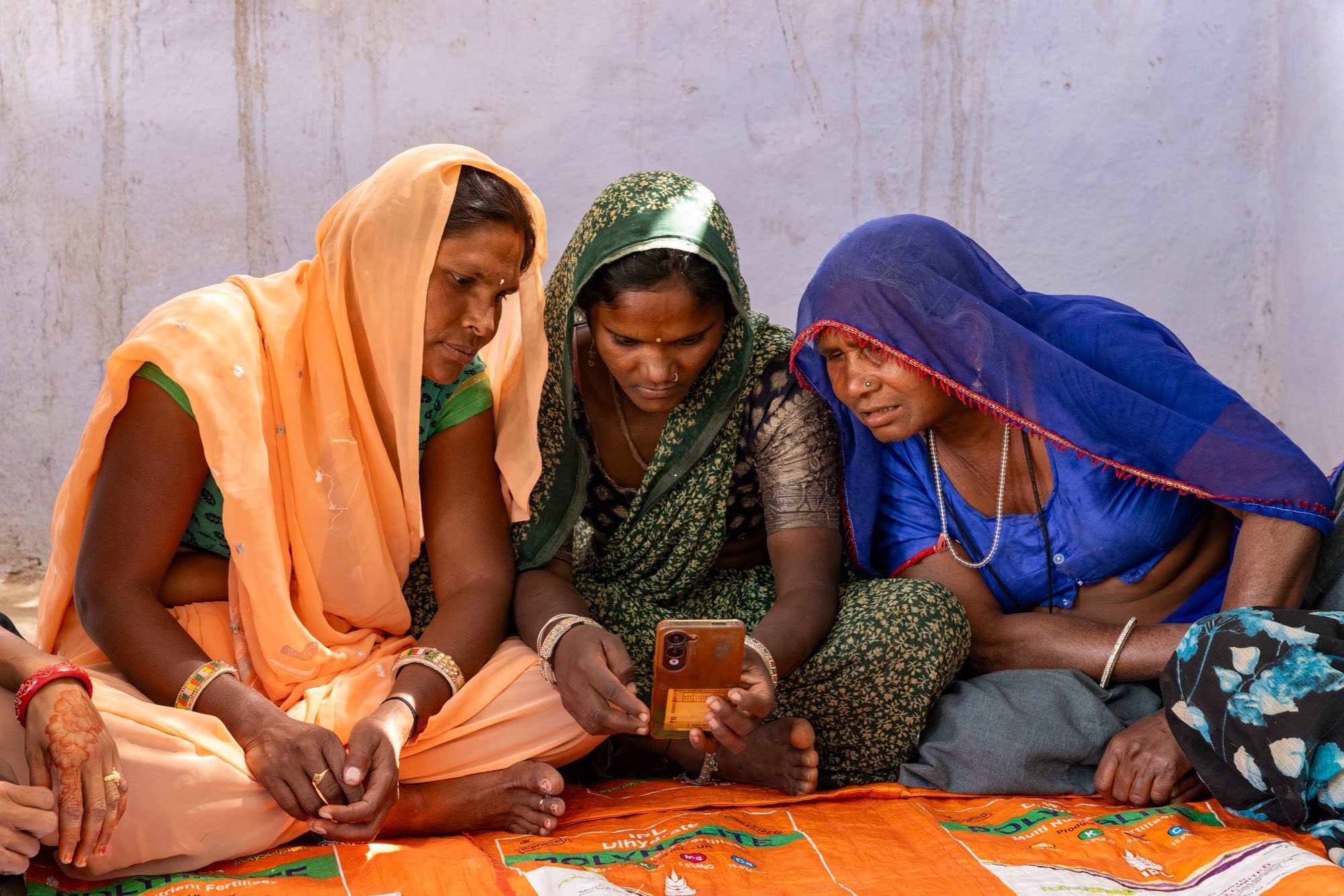
When we started observing small group meetings 3 years ago, the challenge was that meetings easily became uni-directional : the changemakers spoke, didis listened and nodded, attendance was recorded, didis signed their names, and the group dispersed.
This met a target, but did it create learning, ownership and sustained action?
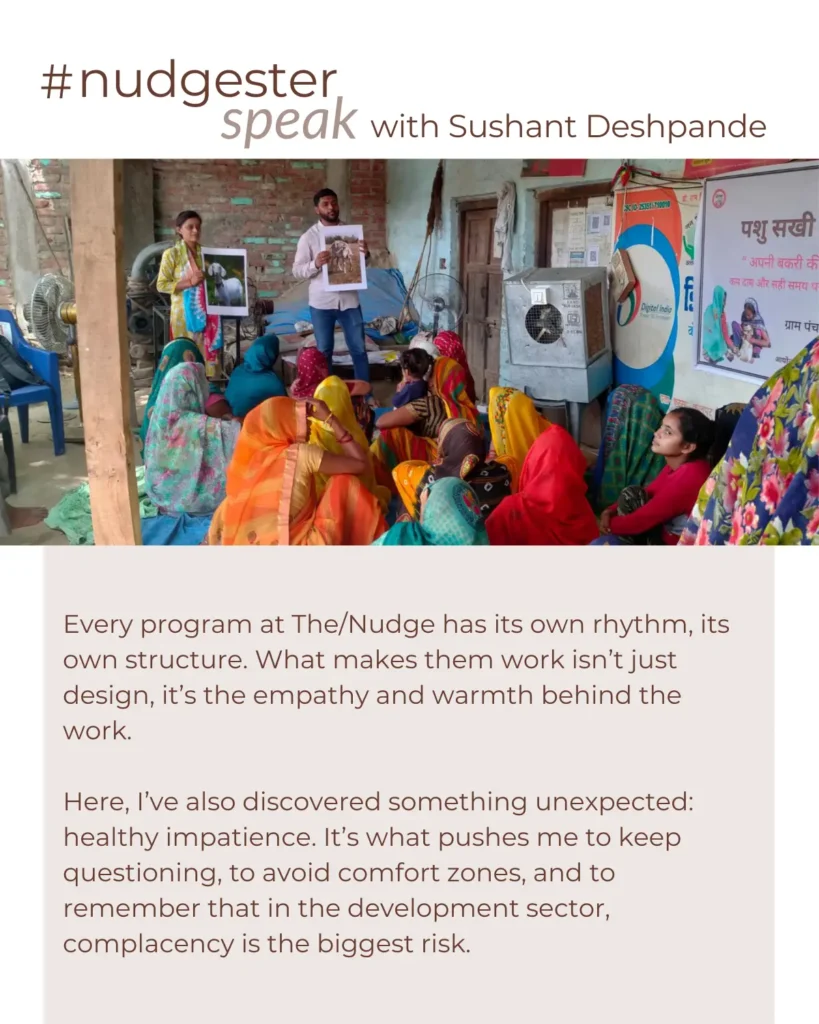
I remember one of our early group meetings in a village in Latehar, Jharkhand. We had prepared a small group session on household savings. The changemaker had a flipbook with key prompts for facilitation, visuals for didis, examples, and a list of questions to ask. The women trickled in. Some were late, tired after finishing household chores. A few sat quietly outside the circle, hardly becoming part of the group. Others were distracted with their newborns, thinking about meals to prepare, children to attend to, or work that had been left unfinished.
The changemaker spoke about the importance of saving regularly. She explained how even small amounts could help during an emergency, avoiding high-cost borrowing, and building a financial cushion. Everyone nodded and prepared to leave. I asked, “Will you try saving this month?”, and almost everyone said yes.
But during the next visit, we discovered that very little had changed.
It was tempting to conclude that the participants lacked motivation. But that would have been unfair and inaccurate. Many of them had irregular incomes. Some had debts. Others did not control household finances. They understood the value of saving; what they lacked was self-confidence, motivation, someone to handhold them and provide psychosocial support to turn an intention into a routine.
That meeting stayed with me. We had delivered the message, but we had not created learning.
A different kind of conversation
A few weeks later, we redesigned the session.
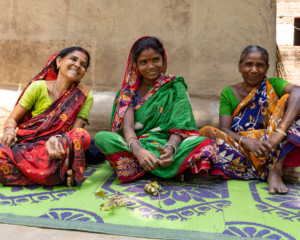
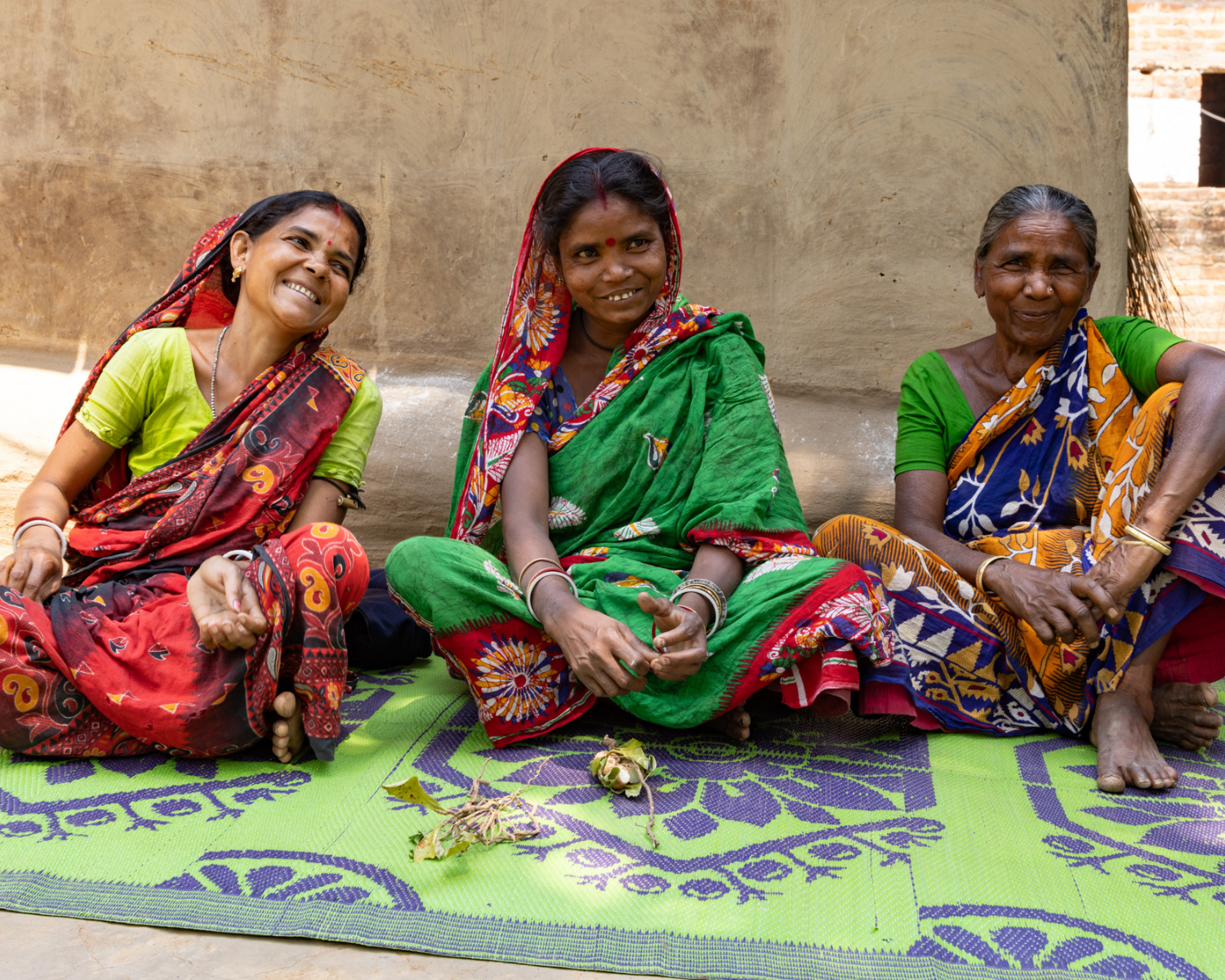
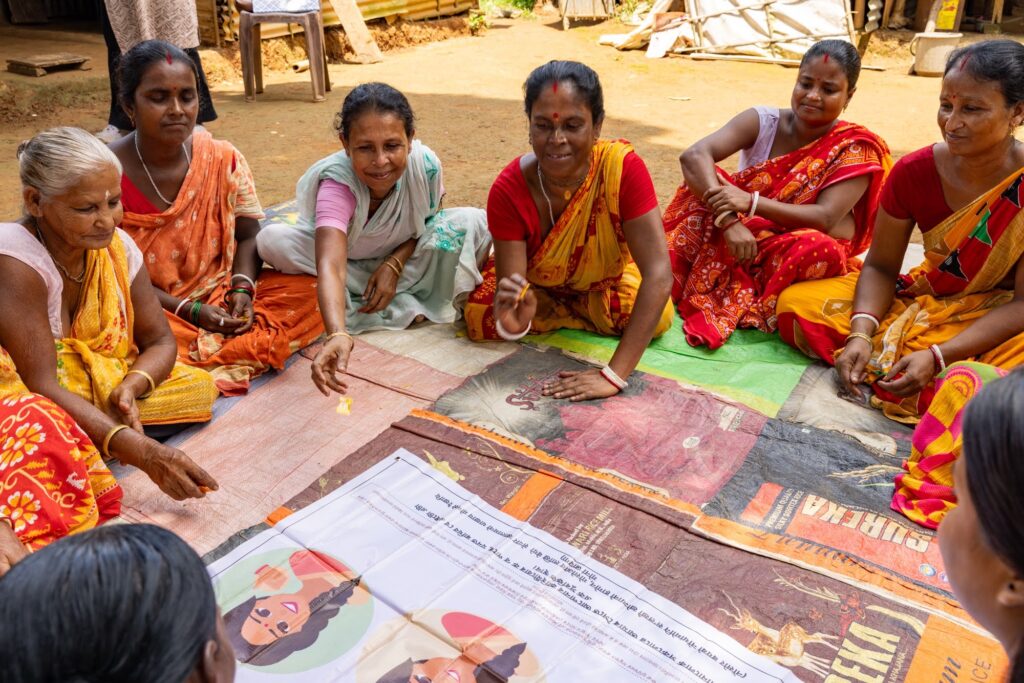
We started by dividing didis into groups and placed small stones on a mat. The changemaker told them a story about a household that earned money from daily wage labour and goat-rearing. Each set of stones represented the family’s income. We asked didis to allocate the stones across food, school, health expenses, debt repayment, livestock feed, household needs, and savings.
The didis immediately became enthusiastic. In their groups, they debated how much should go towards food. One participant said, “Savings only happen when there is something left.” Another replied, “But something always comes up. If we wait until the end, nothing will remain.” Someone else spoke about how her husband used most daily earnings before bringing money home. Another woman shared that she had started keeping aside a small amount after selling vegetables.
Next, we introduced a ‘shock’. A bad rainy season for one, a goat falling sick for another. They had to decide what they would do to meet these ‘shock expenses’.
They did not need to be told what challenges such as these bring with them. They had lived experiences. But the activity made the invisible pressures of household finance management visible. Most crucially, it allowed them to discuss solutions openly, without judgement.
At the end of the session, they did not make promises to save more. Instead they left with the learning on the importance of saving. Some decided to save a fixed amount after weekly earnings. A few decided to discuss savings plans with their families.
The next meeting was different. Didis went beyond sharing their successes and failures, and spoke about what had deterred them.
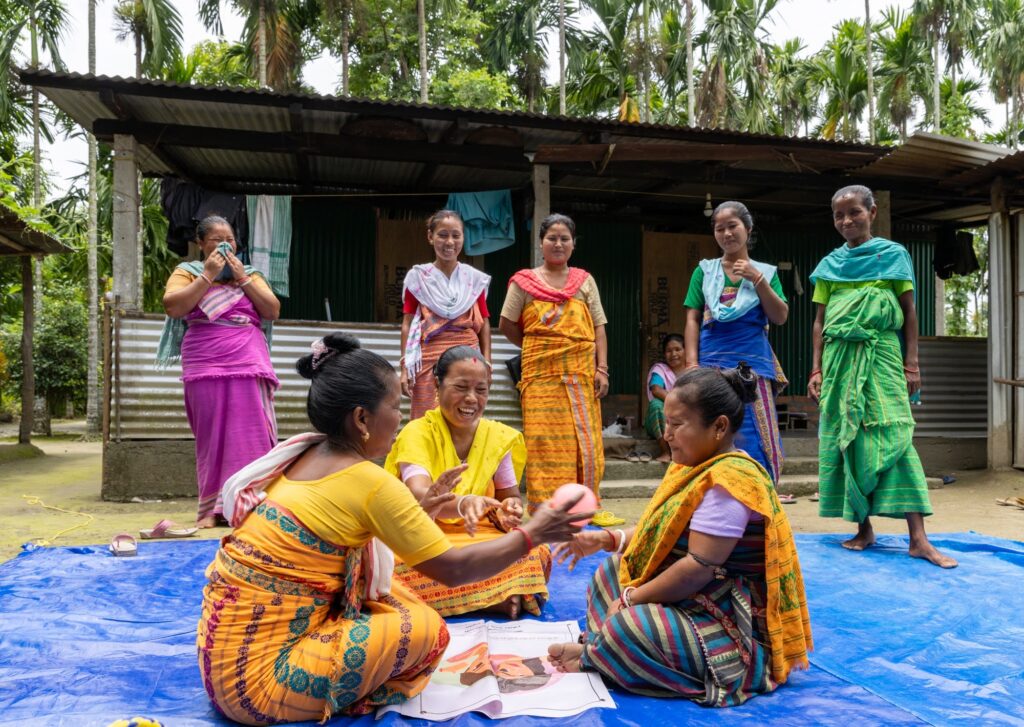
It strengthened my belief in the value of blending leisure and learning. The stones on the mat had created laughter, debate, engagement and participation — leading to something transformative — a safe space to practise decision-making.
Small Steps Towards Significant Shifts
Making the small group meetings compelling, is not just about making them entertaining to hold attention. An activity becomes engaging when it enables and supports learning – when the didis are able to relate the activity to what they are going to learn on the day.
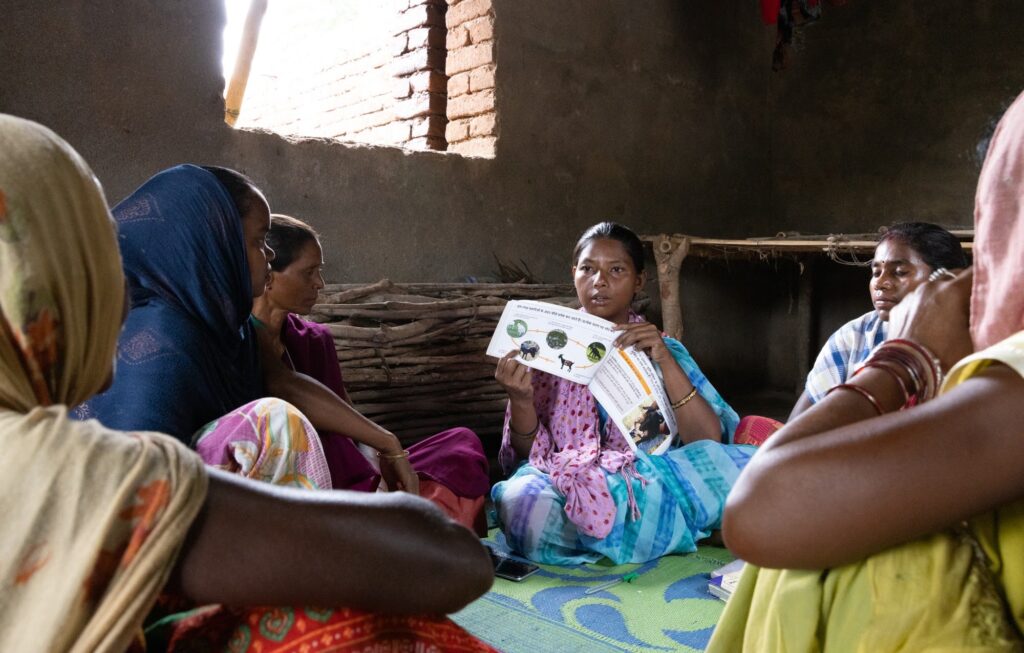
This happens every week; the learning and accountability forms a rhythm. The didi tries something; she shares it with other didis in her group; they provide feedback and support through mutual sharing and learning; her approach shifts; she goes back and tries again. Over time, her small actions become her habits, inspiring others on the way. Behaviour change comes from small actions, nudges that are discussed, adapted and reinforced over time – whether in small group meetings or home visits.
What actually counts
I still believe that information and knowledge transfer matter. But I no longer believe they alone are sufficient.
People do not change because we tell them what to do. Change becomes possible when learning feels connected to life; when people can laugh, question, share, practise, and return after setbacks without shame.
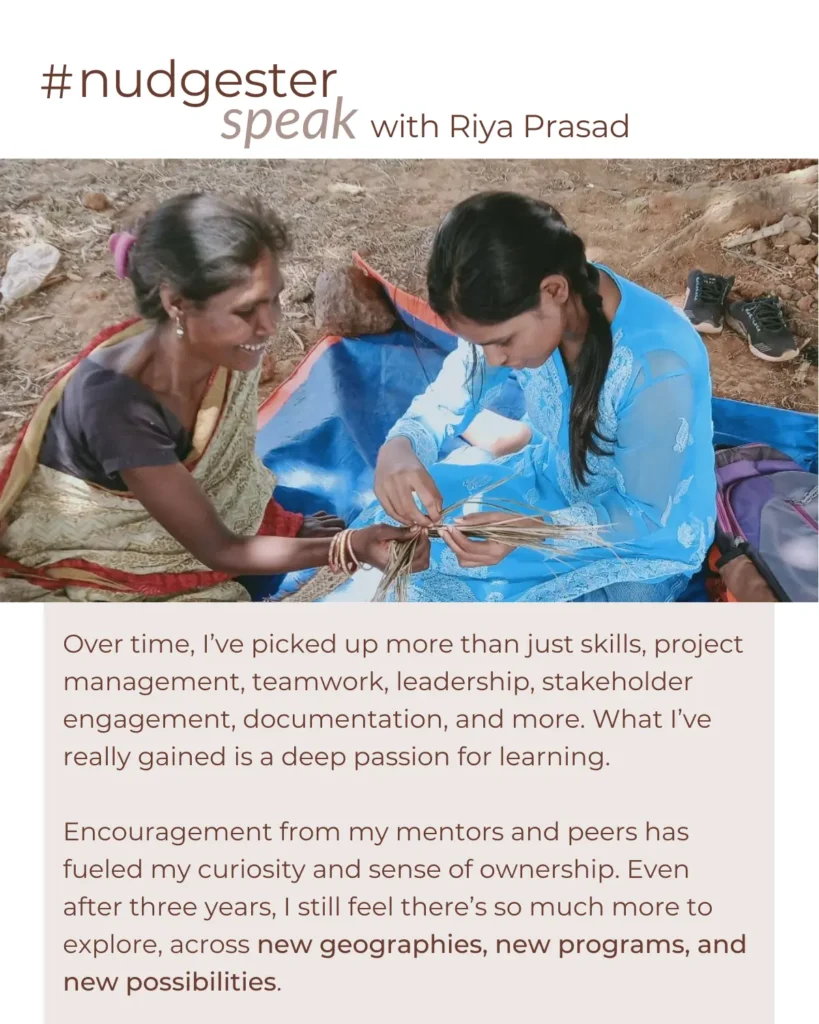
I saw this change within a small group with diverse women in Banswara, Rajasthan. In the initial meetings they had refused to share and talk to each other. However, 6 months into the program during a demo on building a shed, when two didis shared a challenge on getting the raw material and building it themselves, a didi who lived near a bamboo forest offered to help with cutting the bamboo. Another pointed out that she can get extra rope from the weekly market when she goes to sell her vegetables next week, and all of them can build it together.
This is what blending leisure and learning can offer: not just engagement, but learning that stays and bonds that last.