A few years ago, I made a decision that surprised many people around me. I stepped away from a career in the US and returned home. It wasn’t just a change in geography. It was a shift in purpose.
Growing up watching my father spend over 25 years as a physician in rural communities gave me a front-row seat to the vast complexity of healthcare delivery at scale. That experience shaped everything: a deep sense of empathy, a drive to create impact, and an instinct to build solutions where they matter most.
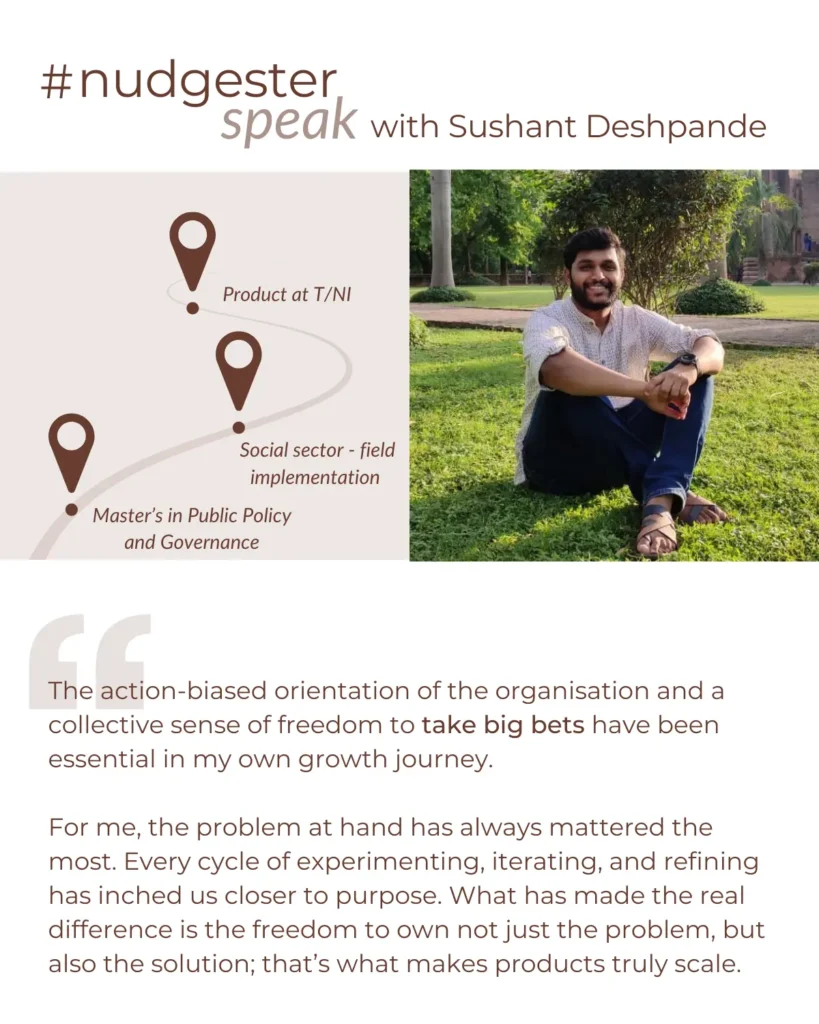
With a background in R&D and product development, I co-founded Trawello Healthcare to solve meaningful problems in children’s health. For a while, that felt like enough.
Then a quiet question started surfacing: How far can this impact actually scale?
The answer became clear. The kind of population-level change I was looking for existed within the government. That’s where the real leverage was. So I joined the Indian Administrative Fellowship (IAF) and spent 18 months embedded within the Karnataka Digital Health Society (KDHS). What followed expanded almost everything I thought I knew.
What scale actually feels like from the inside
I arrived with a fairly simple mental model of how large institutions work. What I discovered was something far more sophisticated.
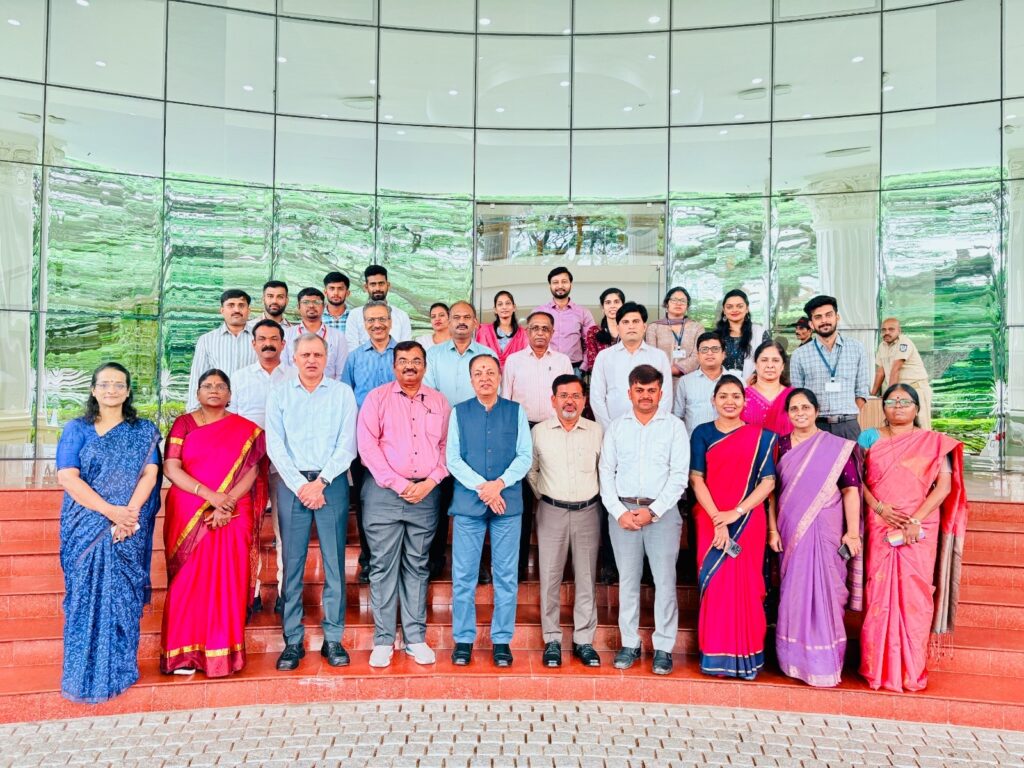
The government operates at an extraordinary scale, simultaneously serving millions of people across geographies, languages, income levels, and needs. The coordination required for that is not simple alignment; it is a feat of institutional architecture built over decades. Layers of process, deep reservoirs of institutional knowledge, and a web of interdependent systems that no single person can fully see.
That realization changed my entire approach. It became less about applying frameworks I had brought in and more about understanding the system deeply enough to contribute meaningfully to it.
Seeing policy through the eyes of frontline workers
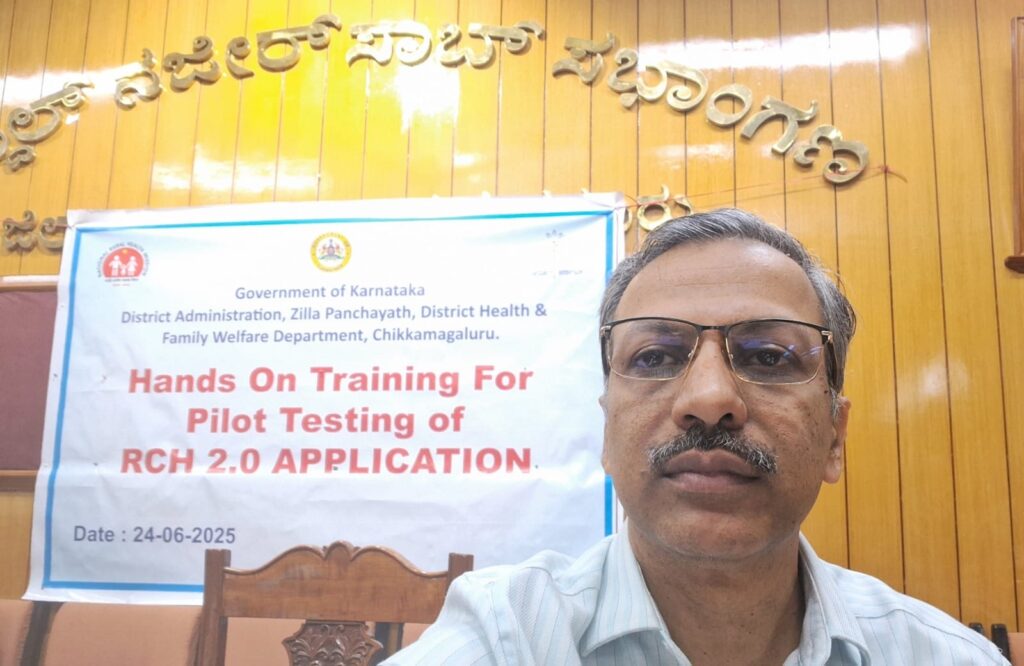
Early in my fellowship, I was working on improving data accuracy for the RCH (Reproductive and Child Health) application. The conversation was about precision: timelines, quality, and consistency. Then I visited Chikkamagaluru for RCH training.
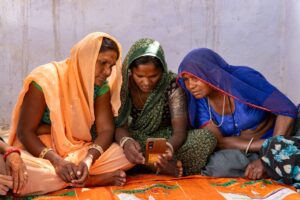
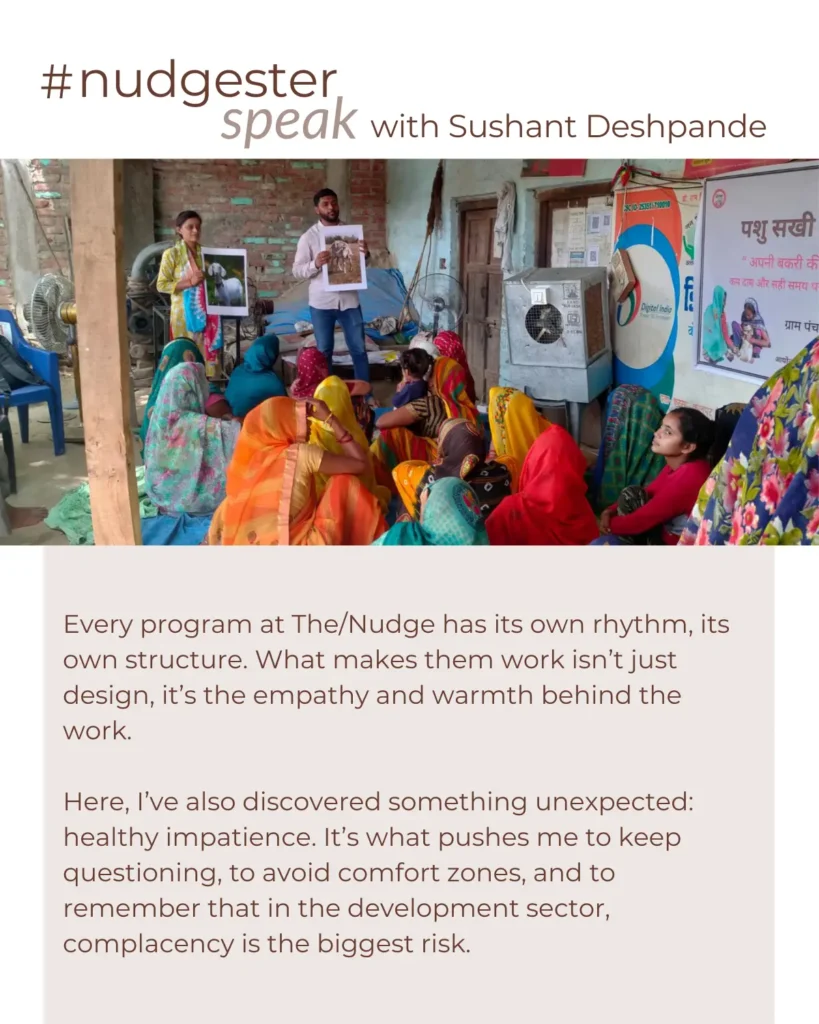
Frontline workers described trekking through hilly terrain, navigating limited transport, and working through power disruptions, all to reach one pregnant mother and ensure her care was recorded. Their commitment was extraordinary.
The question deepened instantly. It was no longer just, How do we improve data quality? It became, What does it actually take for this data to exist at all, and what are these workers doing to make it happen?
That visit enriched how I think about policy design: the importance of building systems that honour the realities of those implementing them, especially at the frontline.
It also reinforced a habit I tried to maintain throughout the fellowship. I stepped out of the system as often as I could — into hospitals, communities, and conversations, sometimes without disclosing my role. Those interactions were unfiltered, honest, and grounding. They served as a constant reminder: policy is not paperwork. It is a lived experience.
They reminded me why the work matters, and for whom it matters.
What the work actually looked like
As part of KDHS, I worked at the intersection of technology and public health, but in practice, it was always about systems, people, and scale. My projects spanned:
- Reimagining medical supply chains, from procurement to last-mile delivery
- Building a data governance framework shaped by AI and India’s Digital Health Mission
- Leading a multi-state initiative on Ayush drug quality and branding
- Supporting the evolution of RCH 2.0, the maternal health platform
One project that gave me immense satisfaction was developing the Ethical Evaluation Framework for Digital Health in collaboration with the Centre for Internet of Ethical Things at IIIT Bangalore.
We were charting new territory. No global playbook yet exists for ethical AI in public health systems. When the framework was presented at the India AI Impact Summit, the response was emphatic: the government is uniquely positioned to lead conversations that shape the future of digital health, and it is stepping up to do exactly that.
Another highlight was the Annual Health Progress Cards pilot under the RBSK program. I introduced structured timelines and regular check-ins, and the government teams embraced the approach with real energy.
The most powerful moment came on distribution day, when students and parents held their own health data for the first time. Watching curiosity turn into awareness made everything tangible.
Four truths about public service I will carry with me
1. The System Never Stops
The outside world often underestimates just how relentless the work of governance is. From the inside, especially in healthcare, there is always something unfolding, always something at stake.
The dedication of officers and staff who carry this responsibility continuously is something I deeply admire.
2. Governance Is an Art
I witnessed how institutional authority, when aligned with the right intent, can move large and complex initiatives with remarkable speed and cohesion.
The skill lies not just in understanding what needs to happen, but in knowing how to bring the full weight of a system behind it. That is a craft developed over years, not something you can import from a business school.
3. The Last Mile Is Not Optional
A senior official said this to me once, and it never left me.
Unlike private enterprises that can choose their markets, the government must serve everyone — especially those with no alternatives. Every policy must account for the most remote hamlet, the most vulnerable citizen, and the person with the least access and the least voice.
That is a profound standard, and it changes how you define success.
4. Change Is Steady and Purposeful
I saw visionary officers push boundaries thoughtfully, often absorbing enormous complexity to make progress possible for others.
Change in government is not always visible from the outside, but it is real, deliberate, and driven by people who choose to act in service of something larger than themselves.
They are the quiet engines of the system.
On the bridge between two worlds
Private enterprises and government institutions each carry their own strengths. Companies move fast and optimize for defined outcomes. The government operates at an unmatched scale, serves every citizen equally, and holds a mandate that no private entity can replicate.
Having worked in both, I found my most meaningful contribution was in translation — helping each side appreciate the depth and logic of the other.
Bridging private-sector energy with the institutional wisdom of government created something neither could produce alone.
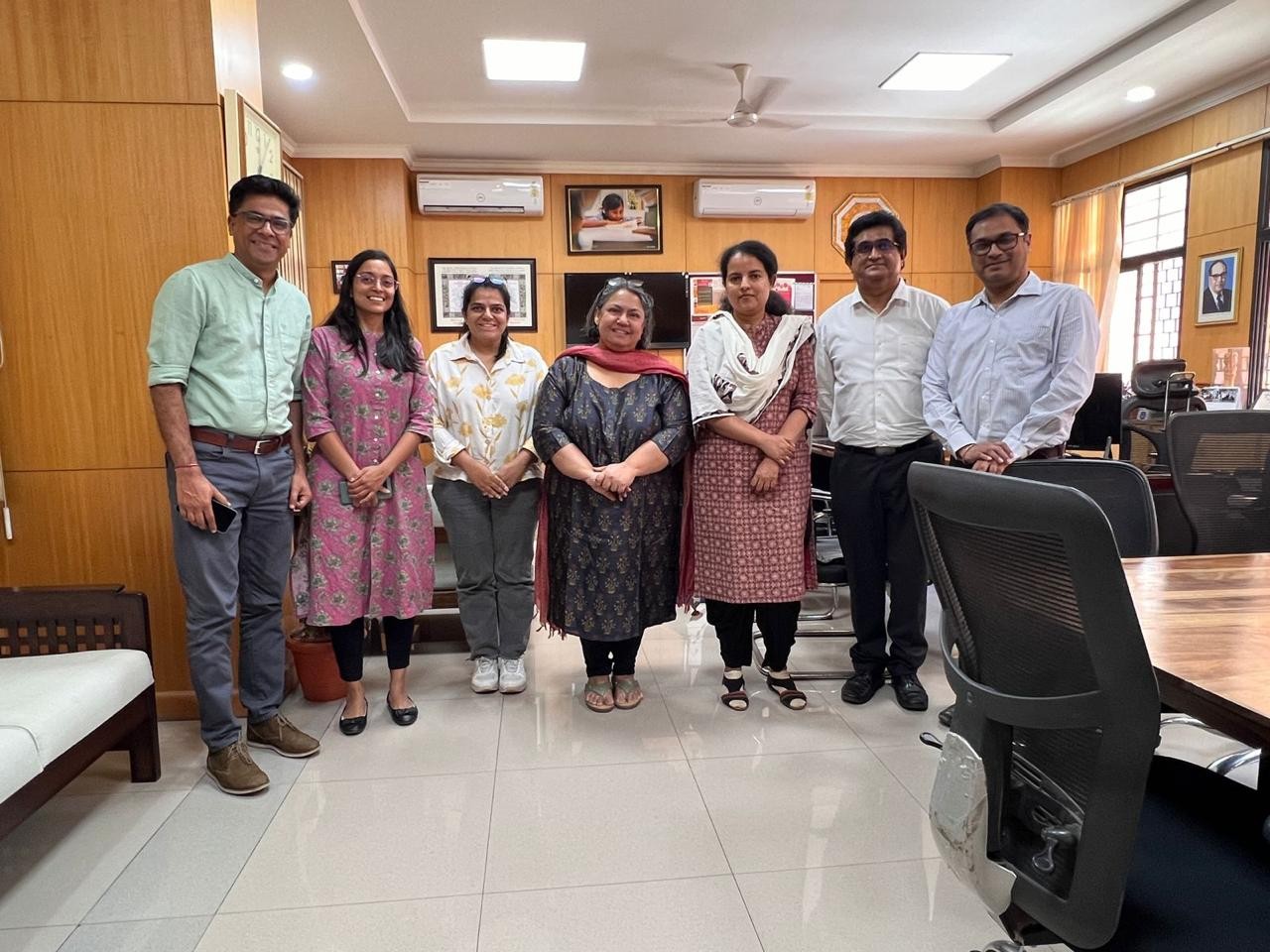
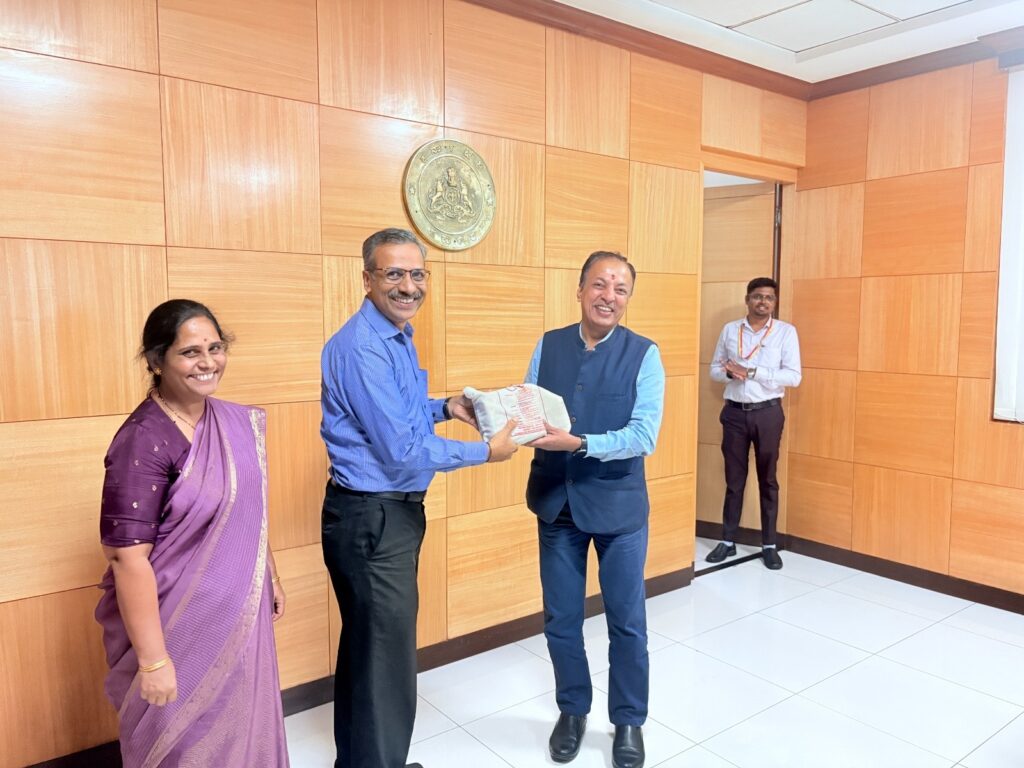
The IAF cohort made this journey richer. It became a trusted space where fellows from health, agriculture, women and child development, and tourism could exchange ideas and build understanding across sectors.
Those conversations frequently unlocked new approaches. When the right people are in the room together, the system moves.
Where do we go from here?
India is at a genuine inflection point. Our entrepreneurial energy, combined with one of the world’s most robust democratic structures, creates an opportunity for public-private collaboration that is genuinely unprecedented.
To reach its full potential, this collaboration needs to deepen and institutionalize. We need structured pathways where expertise flows into governance, where public and private talent learn from each other, and where contribution becomes continuous rather than occasional.
If you are someone who wants to give back, who wants to work at a scale that truly matters, fellowships like IAF are creating those pathways. And India needs more of them.
The next wave of public innovation will not come from one sector alone. It will come from the convergence of many.