










Enable 500 women with digital microwork opportunities that are performed remotely, between 1-4 hours per day, and are time flexible.

Provide job tasks that have the potential to provide sustained, elevated earnings of INR 200-500/hr for at least 10 day s in a month.

Provide a rapid onboarding pathway to provide platform access and upskill women with a secondary-level education or below.

Scale these work opportunities for 10,000 and retain at least 70% of the women workers on the platform.

Demonstrate at least 2 transferable technology skills for the women participants

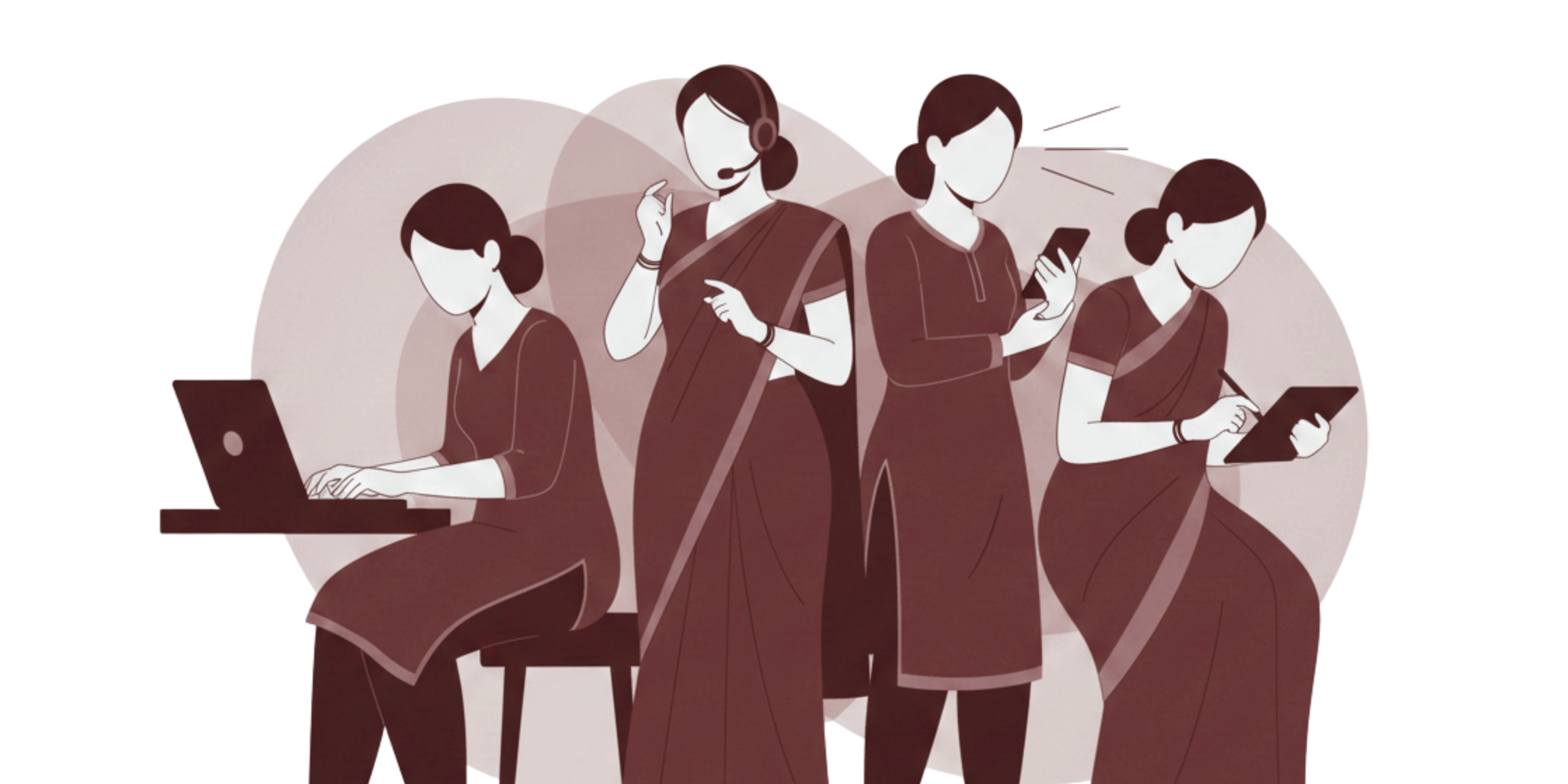
India’s digital economy is reshaping the future of work but women will benefit only if inclusion is built by design. Drawing from early insights from Sanmati 2.0, this blog unpacks the forces driving digital work,...
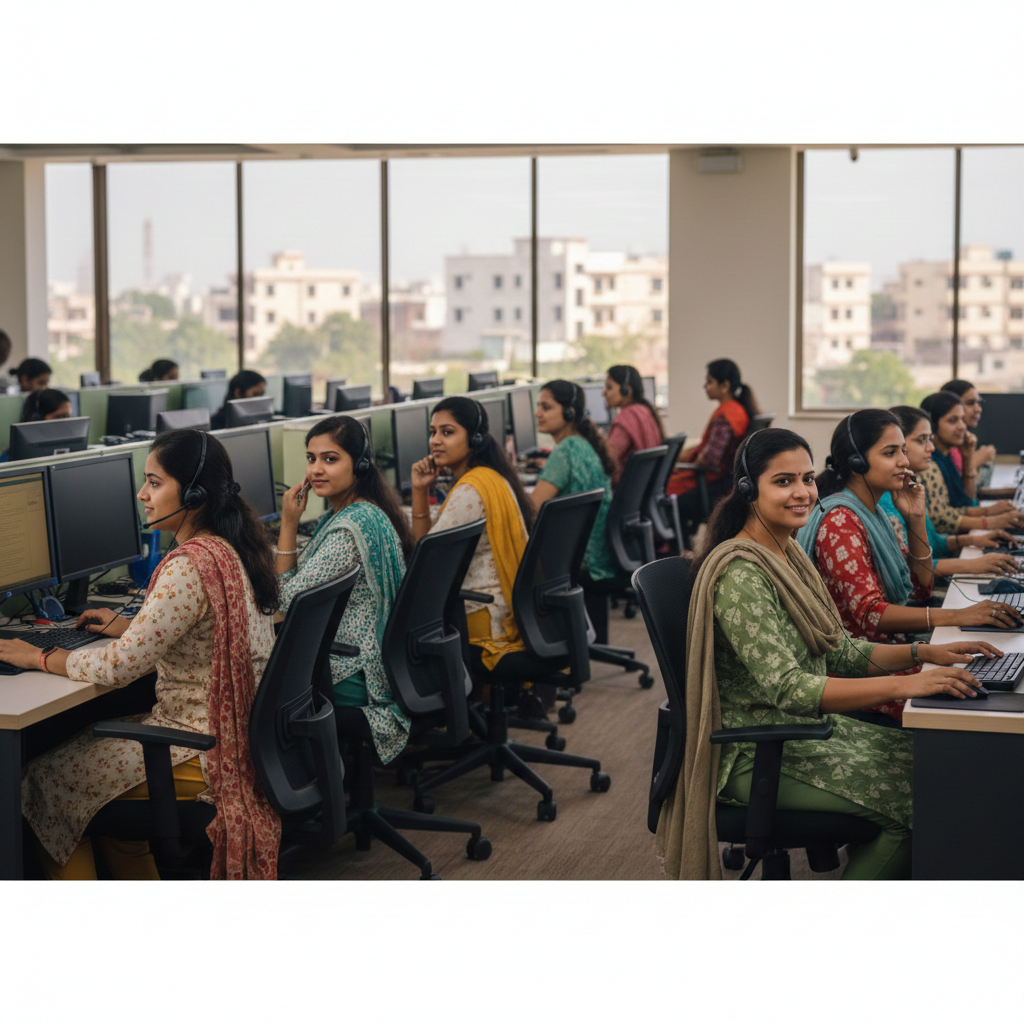
As India’s digital economy expands, organisations across diverse sectors are experimenting with new work models that can bring women into meaningful, flexible, and dignified employment. The first article in this series explored what women themselves...
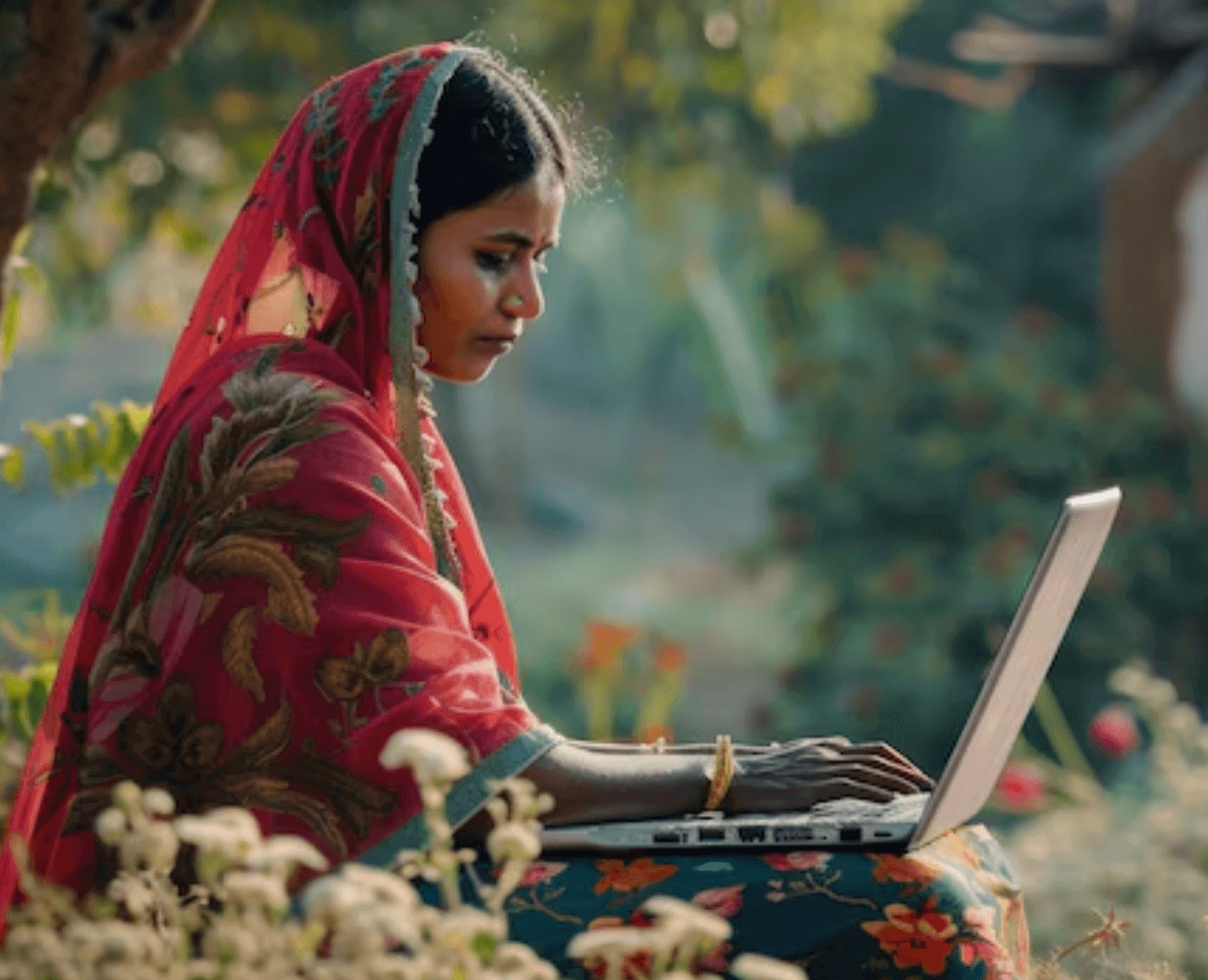
Across India, millions of women stand at the edge of opportunity, eager to work, eager to contribute, and eager to carve out a measure of independence. Yet, the path to earning has often felt narrow,...
“While female labour force participation is rising, data shows that women remain concentrated in a few low-productivity sectors, highlighting the need to close solution gaps. At Mphasis, we’re committed to supporting initiatives that drive real change. We’re proud to take this step through The/Nudge Prize, helping to identify and support innovative ideas that create equitable livelihoods for women.”
Deepa Nagraj
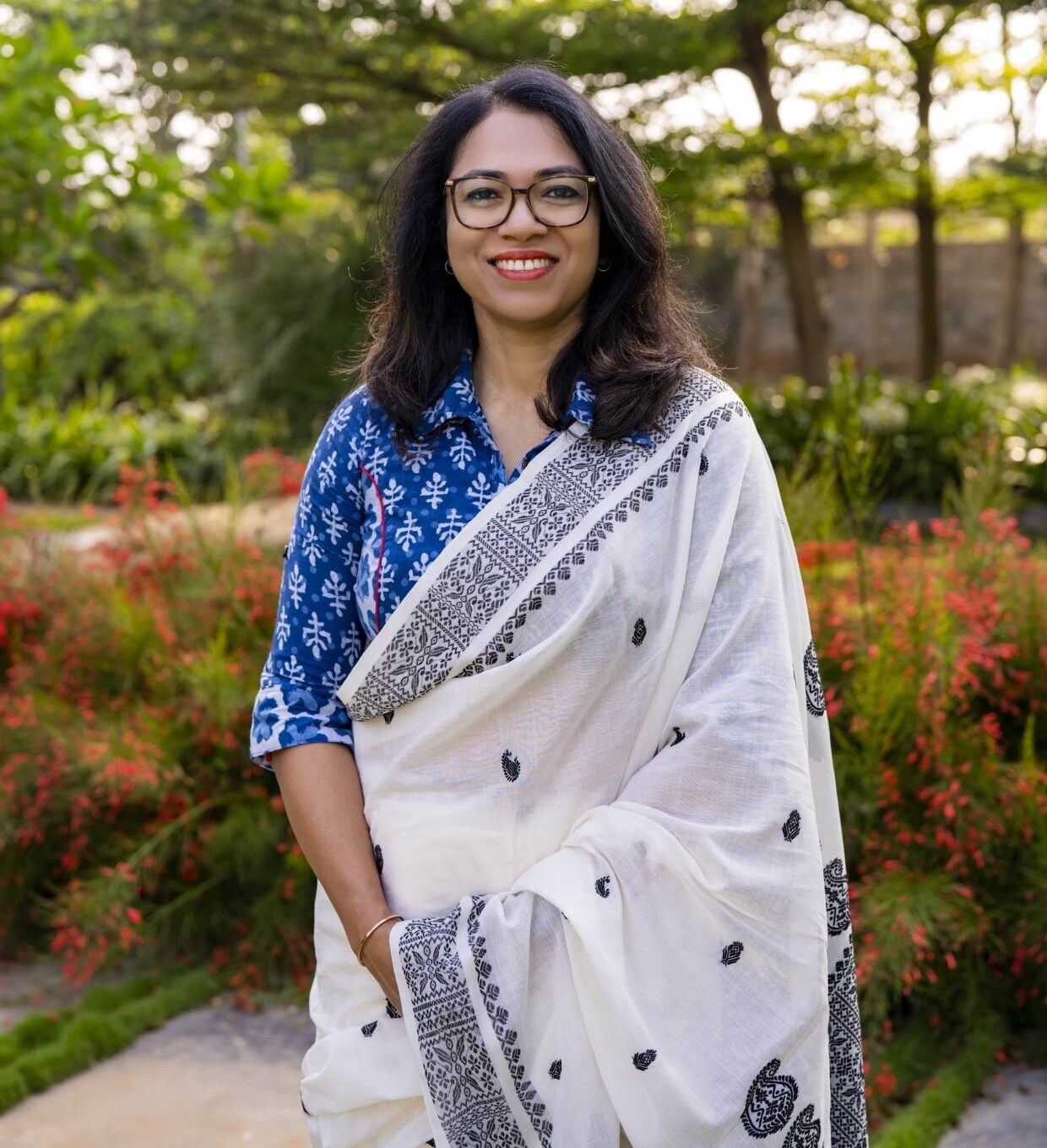
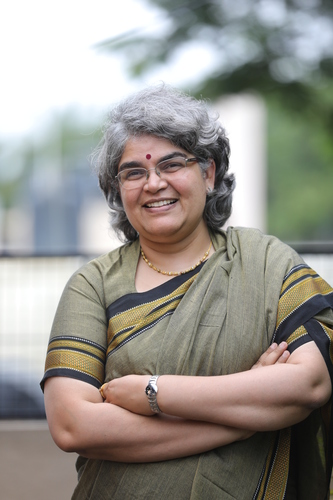
“I am proud to support this impactful initiative aimed at empowering underprivileged women by fostering innovative, tech-driven solutions. Addressing key challenges such as digital microwork can unlock new employment pathways and economic mobility for millions. This endeavour is vital to bridging the gap in workforce participation and enhancing livelihoods for women facing social and structural barriers. I am committed to contributing insights and strategic guidance that inspire sustainable progress and create equitable opportunities for all. “
Rituparna Chakraborty
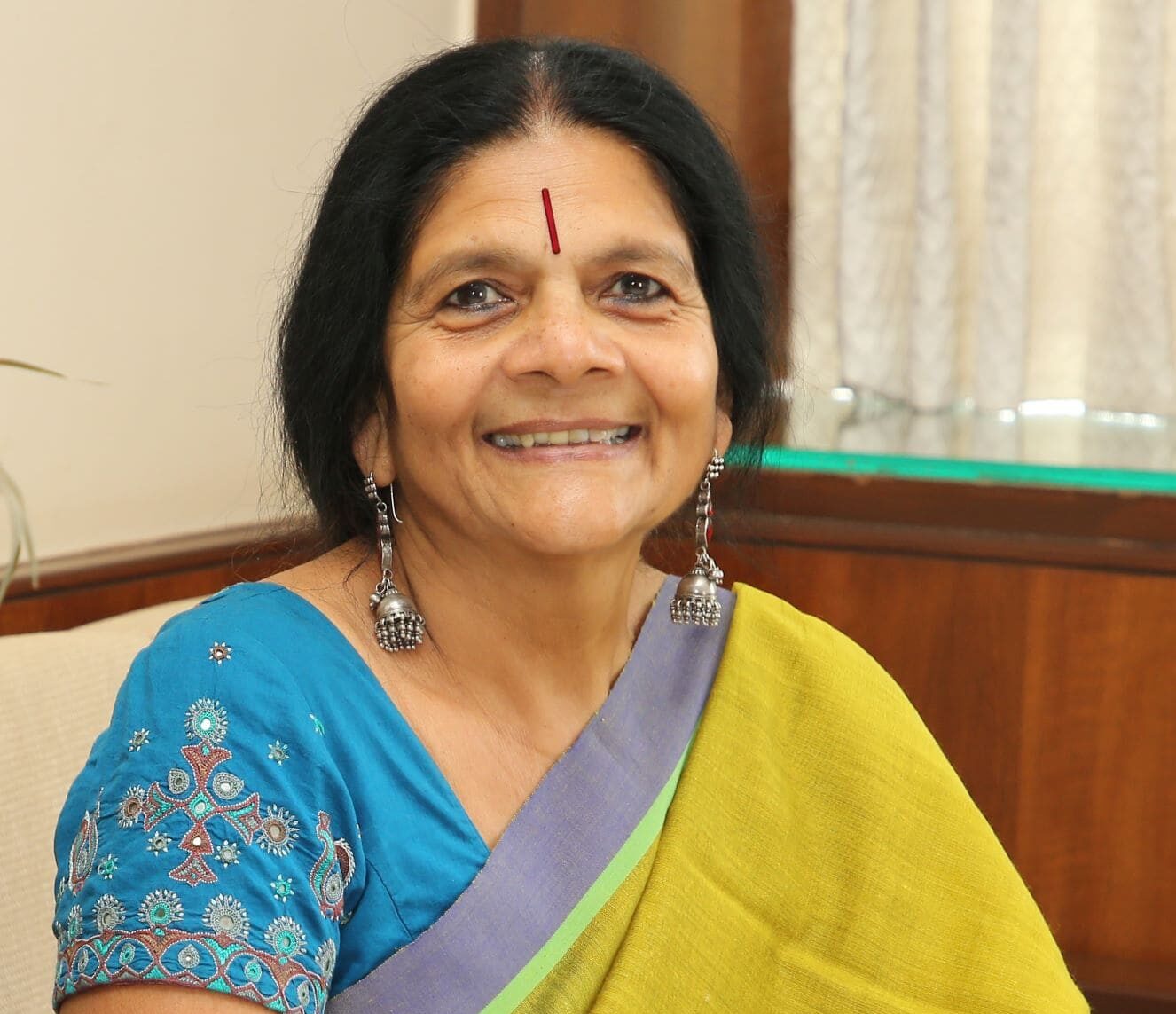
“I am excited to be a part of this important initiative that is attempting to find pathways for marginalised women to become economically productive citizens through digital microwork. This will open new avenues of employment and economic resilience for millions, enabling women to step confidently into emerging roles and industries.”
Gayathri Vasudevan
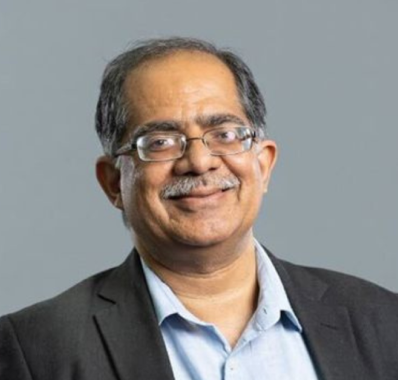
“The poor do not need poor solutions. Millions of underserved women deserve fair, equitable, and high-quality opportunities that recognise their potential and provide pathways to sustainable livelihoods. Digital micro-work and similar task based work, offers a transformative chance to empower women economically—not as a handout, but as a dignified solution that aligns with their aspirations. At Mann Deshi, we’ve seen how access to the right tools and opportunities can help women thrive. I’m committed to ensuring this ethos drives efforts to create meaningful change.”
Chetna Sinha
“Tough problems are solved through disruptive innovation ecosystems. Over the last two decades, India has leapfrogged its ability to address knowledge work through digital pathways. Yet, a significant gap remains: connecting frontier sectors with millions of homebound women aged 25-40 who are outside the formal workforce. For these digital work pathways to succeed, job creators and enablers must deeply understand the latent potential and diverse skills of these women to shape the next wave of work that brings them income and opportunity. I am eager to engage with and learn from efforts tackling this challenge to uncover transformative solutions.”
Sharad Sharma
Sharad Sharma
Gayathri Vasudevan
Rituparna Chakraborty
Chetna Sinha









“Since the challenge concluded, we have been growing rapidly and it feels like we went from class 5 to class 10 suddenly. But both the CISCO team and The/Nudge have been tremendously helpful.”
Nidhi Pant, Co-founder
“Very grateful to Prize for bringing together our cohort for the India market. We hope this bouquet of solutions becomes the next ‘India Stack’ for water.”
Gokul Krishna, Co-founder and CEO
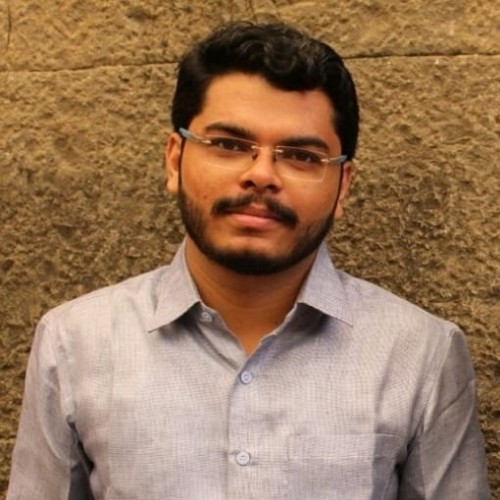
“If a system works for a smallholder farmer, it can work for everyone. Towards the end of DCM Shriram AgWC, we would like to reach at least 5000 smallholder farmers.”
Shrilesh Mande, Co-founder and CEO
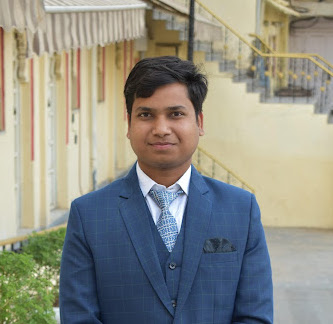
“The AgWater Challenge has changed us. During baseline we conducted interviews with our smallholder farmers regarding their practices and aspirations. It was tough but eye opening.”
Ankit Jain, Co-founder and BDO
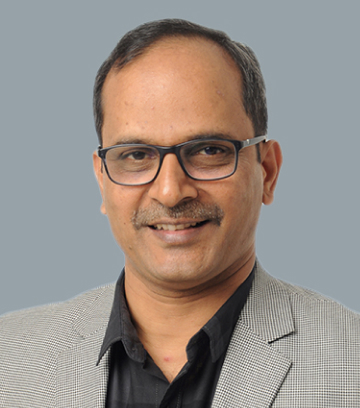
“Our audacious goal is to cultivate 50,000 acres of paddy fields across the northern and southern regions of India by the end of this challenge-no matter how ambitious it may seem.”