

I’ll be honest about something most civil society professionals won’t say out loud.
After 15 years in development work, scaling programs to 750,000 community members, mobilising millions in funding, and building rural employment models, I had quietly, comfortably decided that government was the obstacle. Not the enemy. Just the thing you navigated around. The approvals came late. The partnerships moved slowly. The political will had to be coaxed.
I carried that assumption into the Indian Administrative Fellowship. And Jharkhand dismantled it within the first few months.
What I found inside the room
When I proposed GraminAI, an AI support cell inside Jharkhand’s Rural Development Department, I braced for institutional resistance. That’s the civil society reflex. Instead, a senior officer with decades inside the system looked at my proposal and said, “What took so long?”
He then spent the next hour describing problems he had been carrying for years. Data was siloed in systems that no one had connected. Field reports arrived too late to act on. Decisions were made on information that was already outdated by the time it reached a desk. He wasn’t resistant to AI in governance. He was hungry for it. He had just never had someone offer it as a tool built for him rather than about him.
That conversation changed how I work. Permanently.
The assumptions that fell
What most people fundamentally misunderstand about government is this: the system is not resistant to change. It is starved of accompaniment.
From the outside, the government looks like a monolith, slow, self-protective, allergic to new ideas. Inside, it looks very different. Some people have been thinking about the same problems longer than most of us have been paying attention. They have context we don’t have. Constraints we’ve never had to navigate. And they are often profoundly alone with their ideas, because the system rewards compliance over curiosity, and there are very few spaces where an officer can say, “I don’t know how to solve this. Can we think together?”
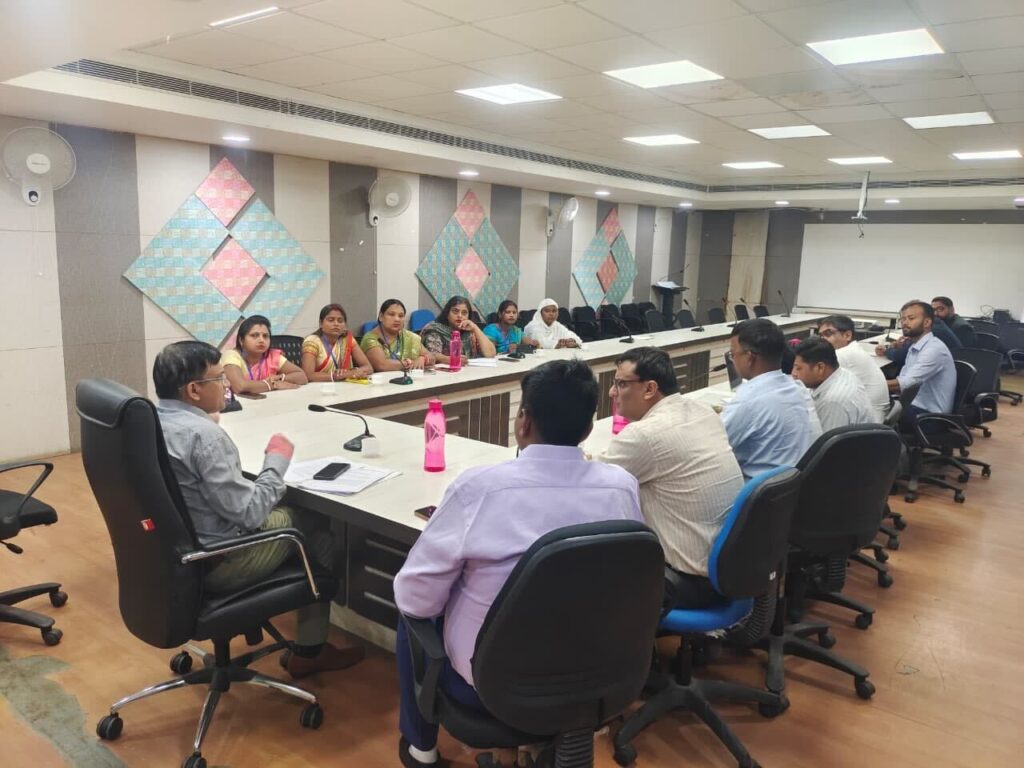
The government is not a wall. It is a series of rooms, full of capable, committed, often exhausted people, waiting for someone to simply open the door between them. The fellowship gave me the chance to be that person.
What actually moved the needle
Over 18 months as Officer on Special Duty in Jharkhand’s Rural Development Department, three mandates defined my work:
- Abua Awas Yojana, a ₹3,000 crore rural housing programme: I helped mobilise ₹267 crore through the Jharkhand Contingency Fund, built the Abua Awas Dashboard (now live across department, district, and block levels), and introduced an Aadhaar Vault System for data integrity.
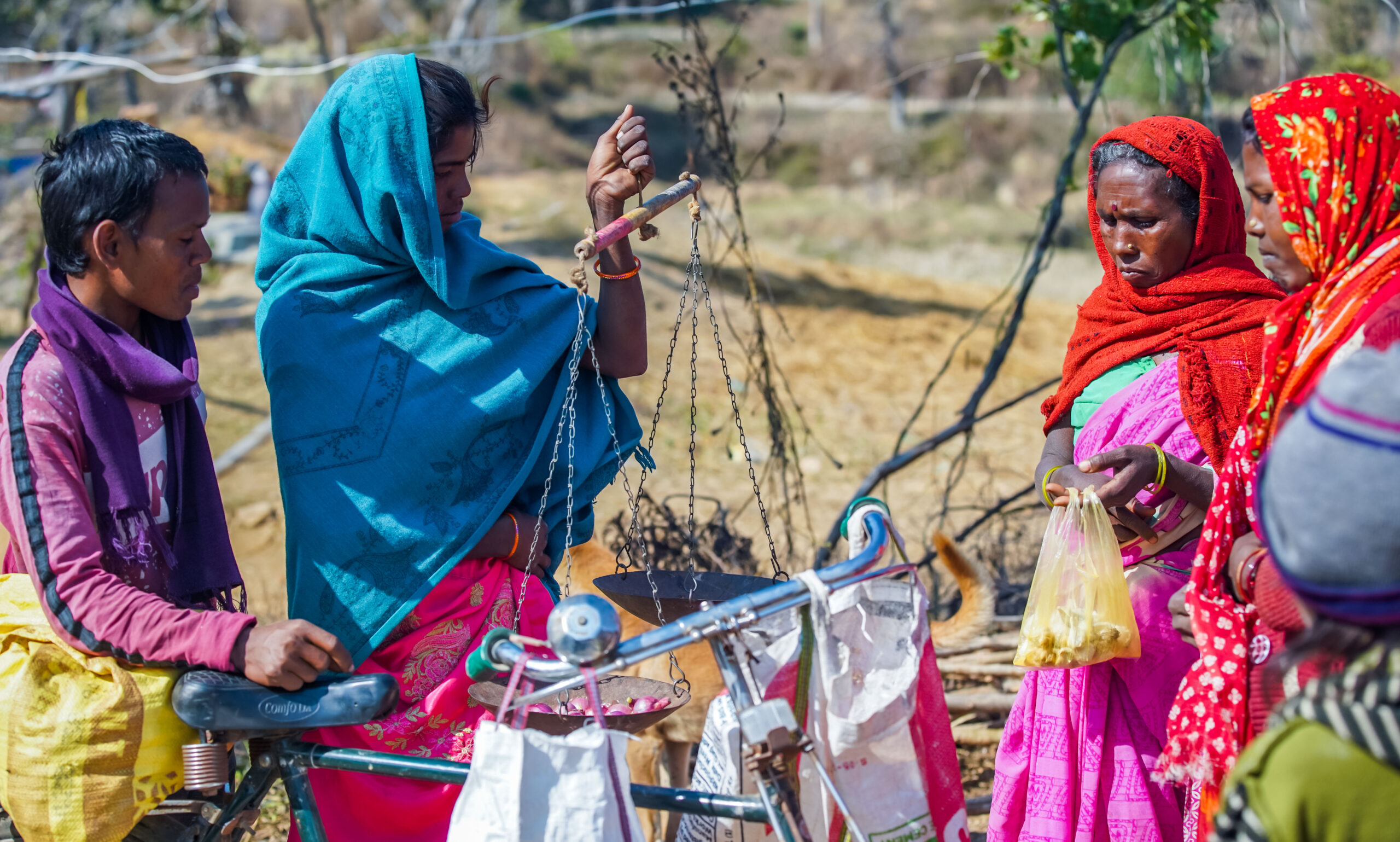
- JSLPS Livelihoods (₹1,200 crore portfolio): I designed Jharkhand’s first e-Rozgar Camp, placing rural youth in organised-sector jobs. On women’s market linkage, I introduced a B2B bulk-selling model for Palash products, connecting 52 bulk buyers in 32 days, scaling sales from zero to ₹50 lakh per month, with tie-ups including Blinkit, Apna Mart, and Suvidha Mart. This became SETU, a permanent market governance cell now institutionalised within JSLPS. 12 MoUs followed, linking JSLPS to Jharcraft, the Education Department, and the IT Department.
- GraminAI: Jharkhand’s first AI Support Cell within RDD, now a functioning operational unit providing day-to-day analytical support across departmental sections. Discussed in the state parliament and endorsed by the RDD Minister. Other states have since reached out to replicate it.
But here’s the thing: none of these happened because I arrived with the right answers. They happened because I arrived with the right questions, and stayed long enough to hear real responses.
The lessons I carry
A senior officer told me early on,
“Vinod, a good idea presented at the wrong moment is just noise. Learn to read the room. Not the room in front of you, but the room the system is in.”
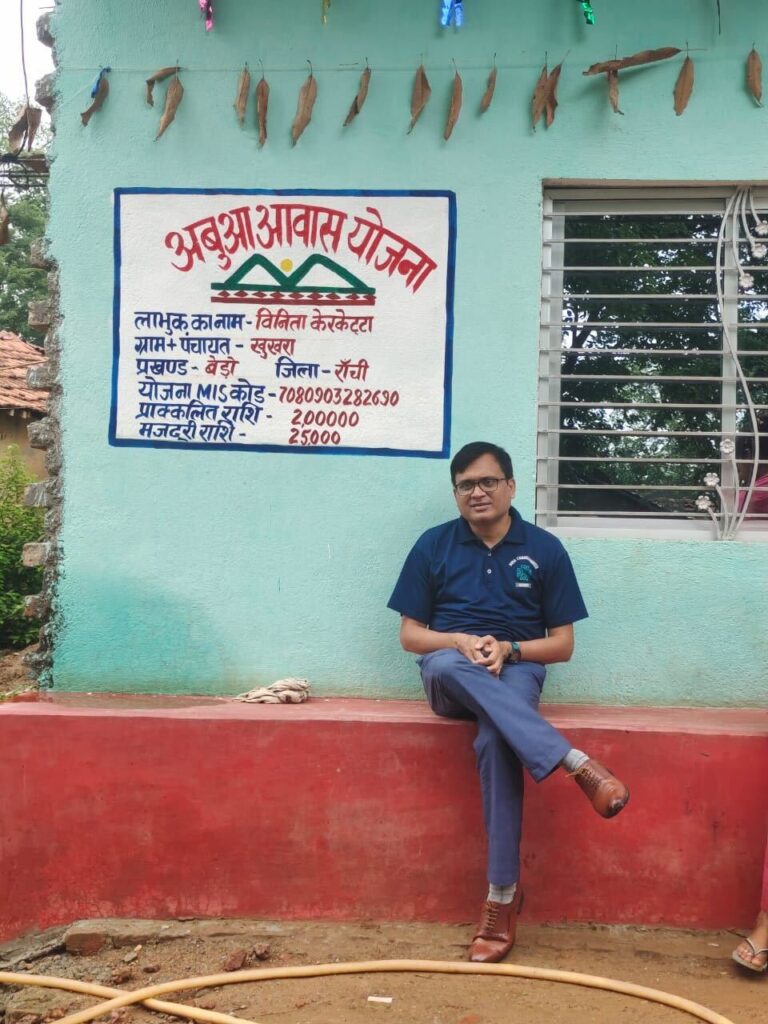
He taught me something no MBA program could: the art of institutional timing.
And when I was working on Abua Awas and kept bumping into processes that seemed irrational from the outside, another officer said something that reorganised my thinking entirely:
“You are looking at scar tissue. It formed for a reason.”
What I had been calling bureaucratic resistance was actually institutional memory. Rules that looked arbitrary were often the calcified lessons of past failures, programs that collapsed, funds misused, and communities harmed when a particular check wasn’t in place. The officer wasn’t defending inefficiency. He was asking me to respect a history I hadn’t lived. After that, I stopped arriving with the assumption that I needed to reform the system. I started arriving with curiosity about why the system was the way it was.
What Jharkhand gave me that I didn’t expect
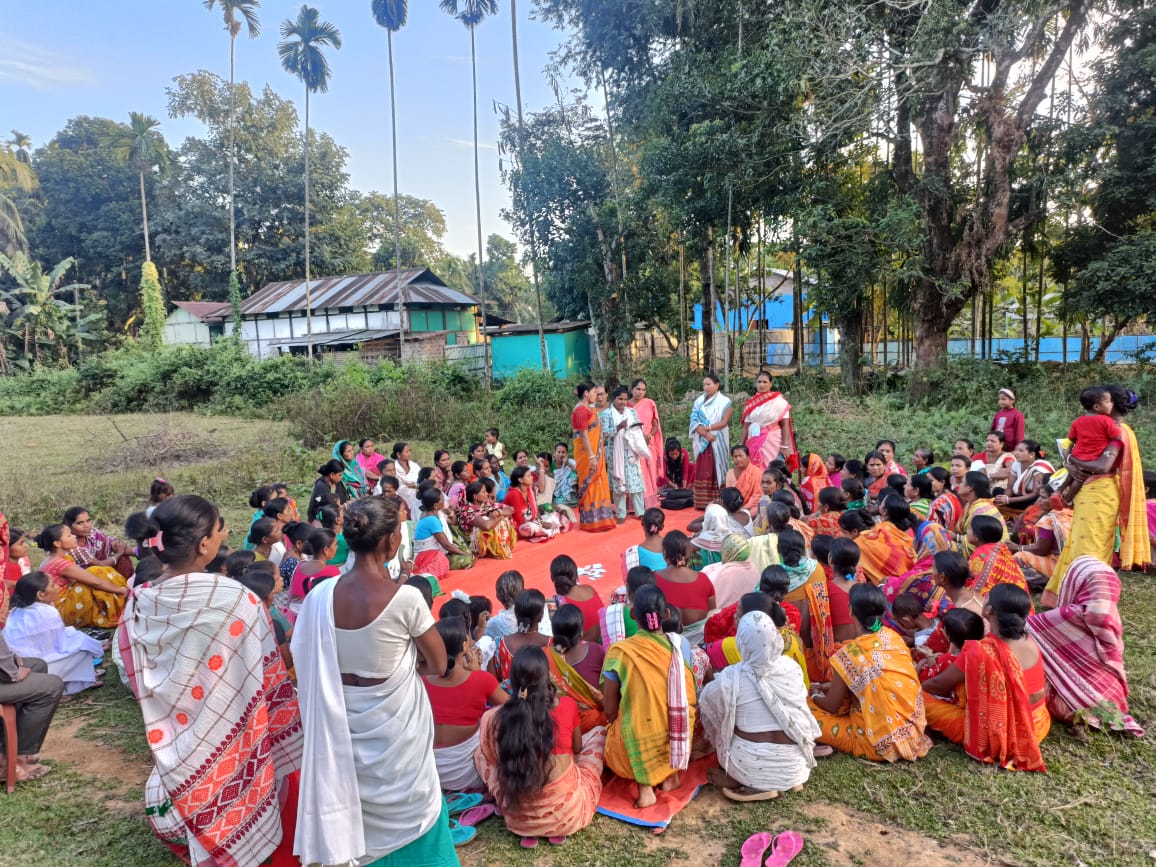
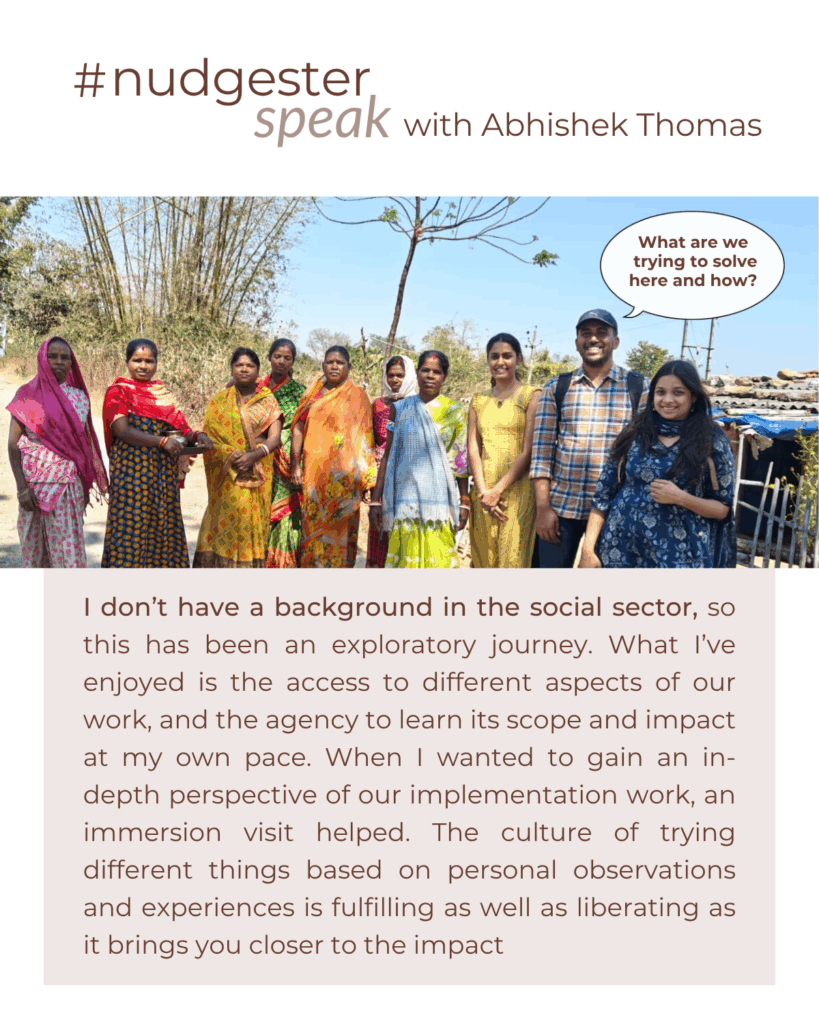
There was a woman, a didi, part of a self-help group, who stopped me during a field visit with a simple statement.
“Sahab, hum banate hain. Lekin koi aata hai, le jaata hai, aur phir hum wapas wahi hote hain. Hume nahi pata ki hamare haath ka kya hota hai uske baad.”
(Sir, we make things. Someone comes, takes them, and then we are back where we started. We never know what happens to our hands’ work after that.)
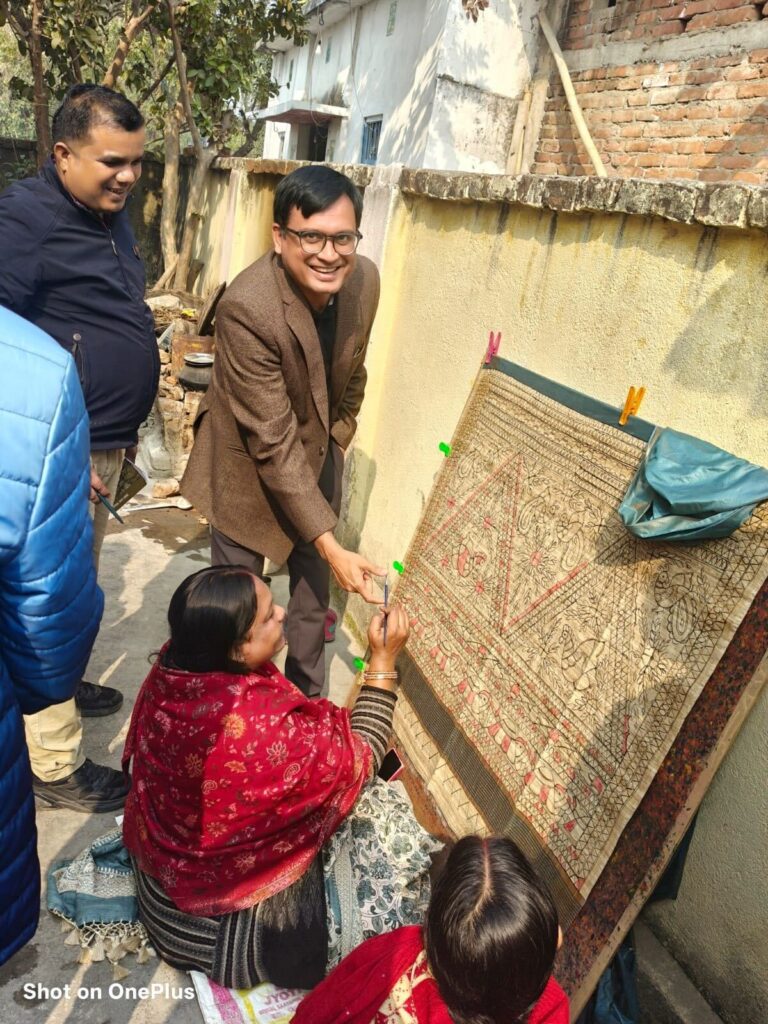
She wasn’t complaining. She was describing a wound. The wound of invisibility.
The SETU architecture, the inventory tracking, the payment visibility, and the 20-day payment cycle were built entirely around that one sentence. Every feature was the answer to her question. In real time.
Where is your product? Who bought it? How much did it sell for?
That is how I stayed connected to the human impact of work that happened largely behind the scenes. Not through dashboards. But by going back. By sitting in the same villages, with the same people, asking the same question: what is still not working for you? The field doesn’t just humanise the work. It corrects it.
A message for the next generation
If you are a private sector professional, a civil society leader, or a technologist considering work at the intersection of business, government, and human impact, here is what I’d tell you:
Don’t arrive with answers. Arrive with presence.
The most innovative thing I did in 18 months was probably the least glamorous: I stayed in the room. I showed up consistently. I followed through on small things. I asked people how they were doing, and meant it. This journey has already taught me how digital design must be as human-centered as it is data-driven. One cannot replace the power of human intent with tech alone, but together, they can reshape how public value is delivered.
In institutions where outsiders arrive with mandates and a sense of urgency, the quickest way to become invisible is to treat the people around you as a means to your deliverables. The quickest way to become effective is to be a colleague first.
The government does not move on proposals. It moves on trust. And trust is built slowly, in small moments, mostly invisible to anyone watching from the outside.
I came to Jharkhand thinking I would contribute something to it. What I didn’t anticipate was how much it would quietly – and completely – change me.