Annual household income under
₹25,000-35,000

Tied to unpredictable wage labour

Living on less than 2 meals a day

Ownership of little to no land or productive asset

No savings (80% of income gets spent on food)

Socially and geographically excluded

Little to no access to social entitlements
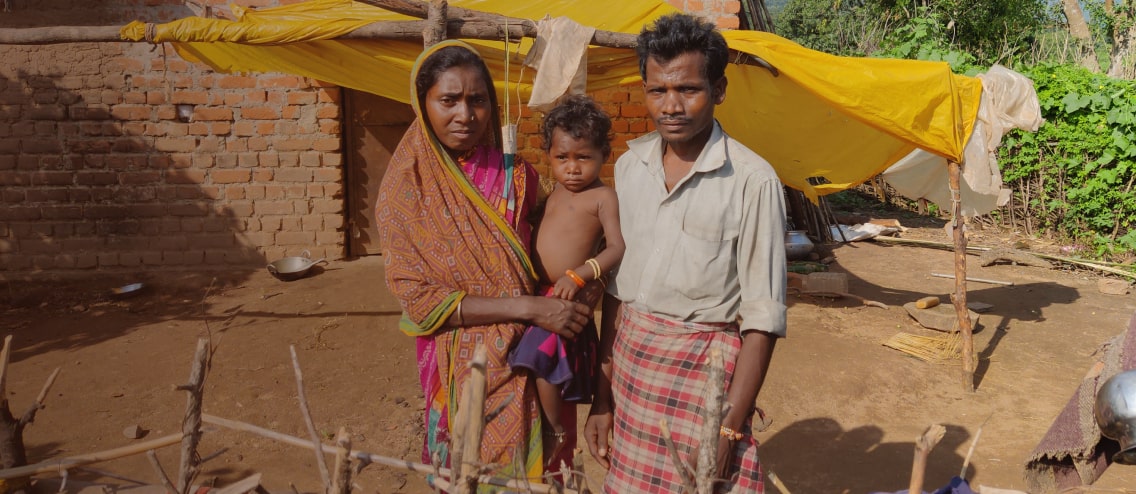
Bithorai Barman
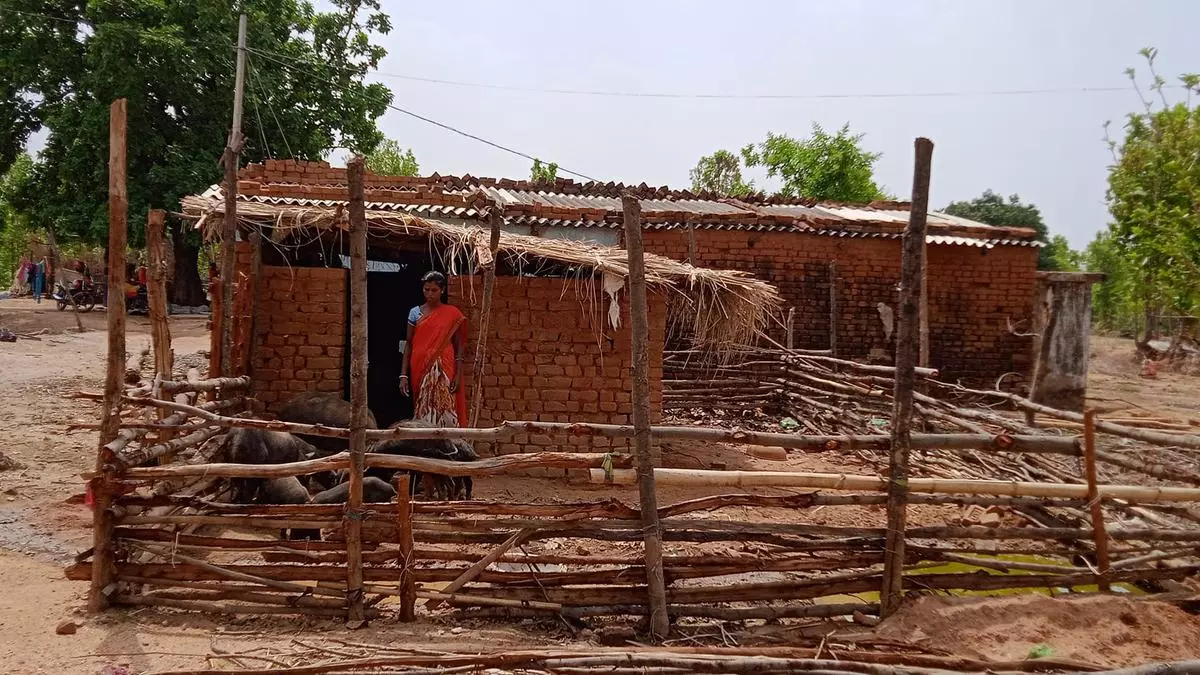
I had traditionally raised ducks and reared silk worms but did not have the knowledge to raise pigs. My pigs would die but SETU taught me the skills to ensure they are healthy and survive. Each new skill gave me more confidence to try the next. Now I want to add pisciculture to what I do.
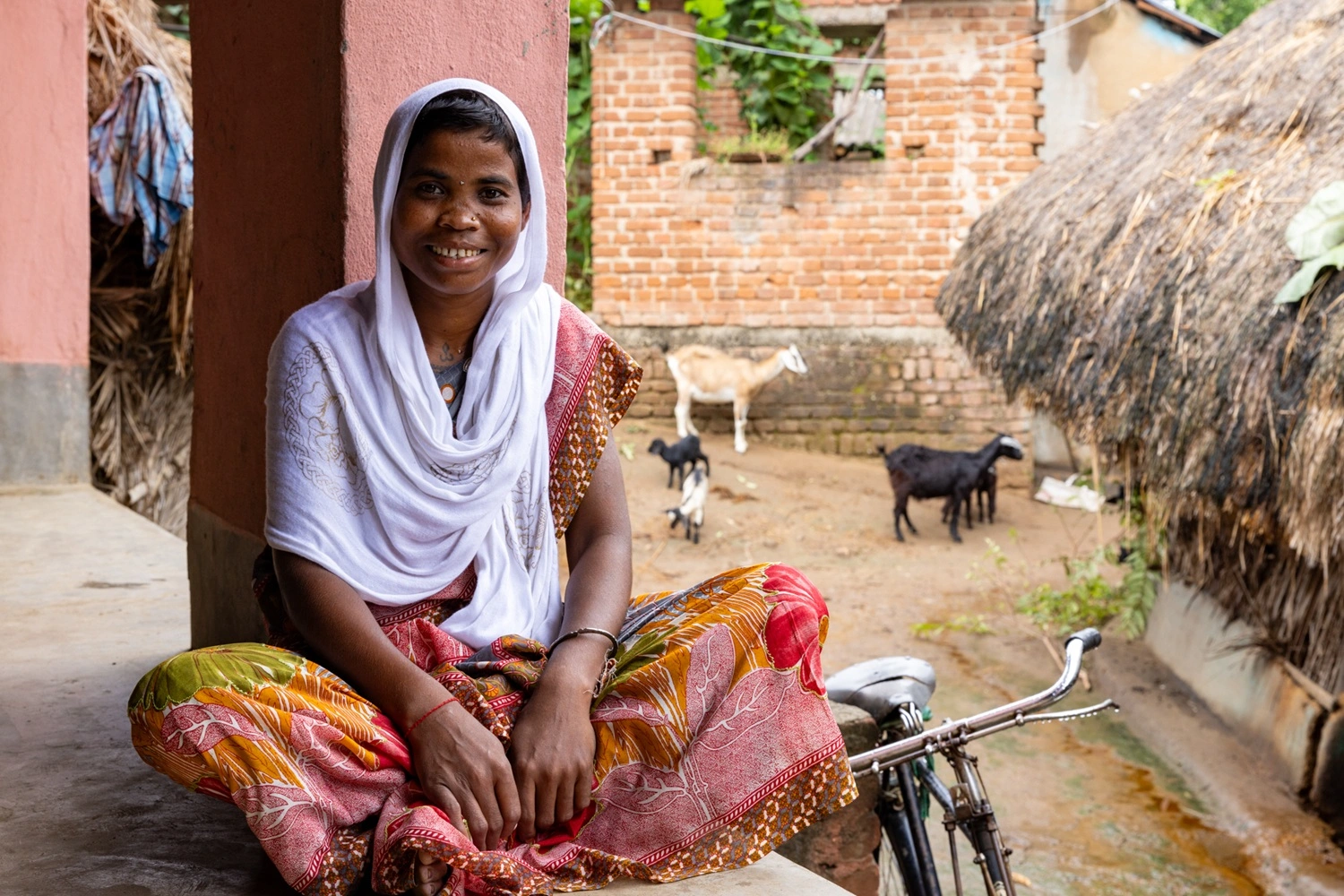
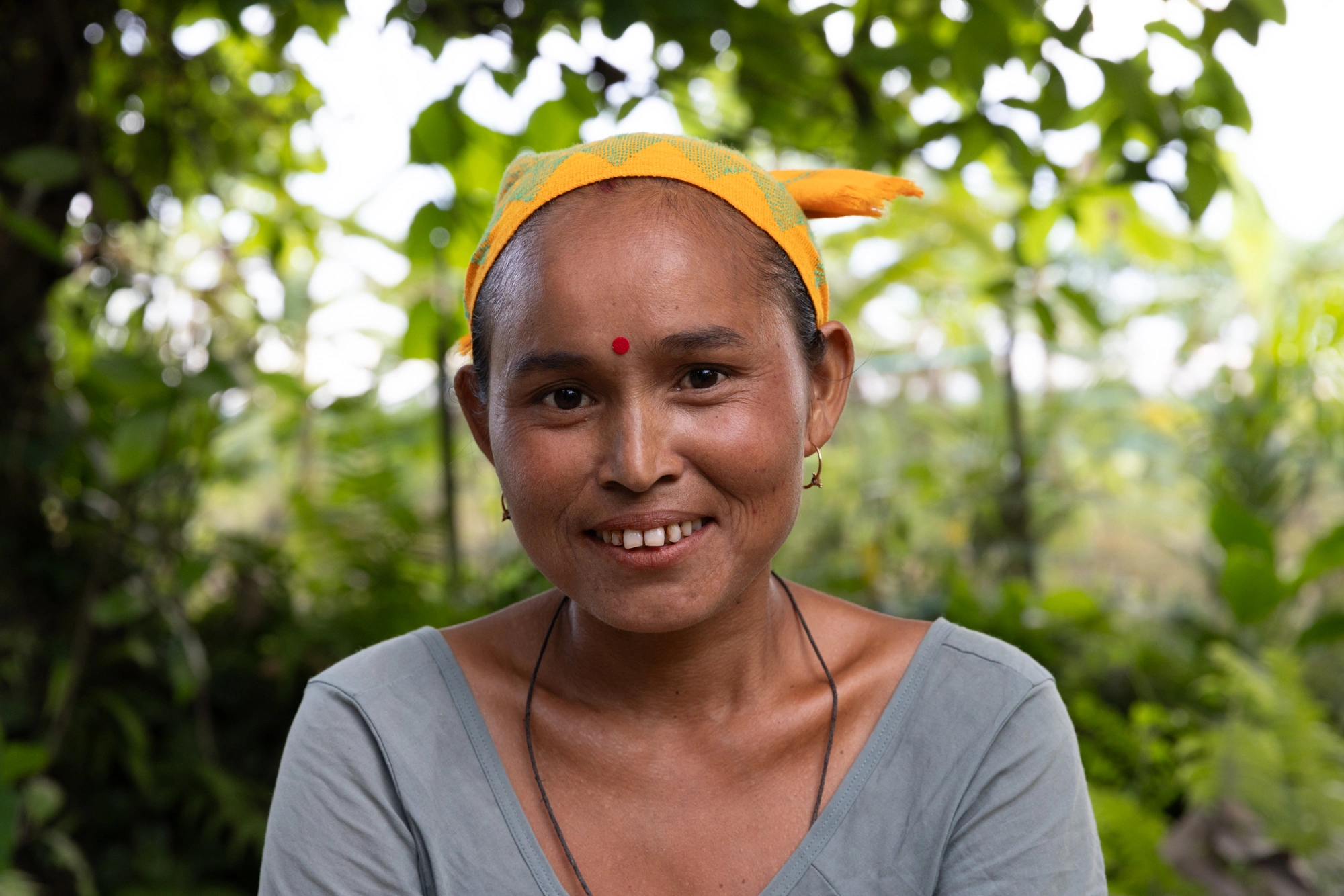
Komoli Soren
For my livelihoods I chose agriculture and goatery. In one season I earned over Rs 12,000 from agriculture and now have a herd of 12 goats. Recently when my roof collapsed I didn’t wait for anyone’s approval, I immediately hired people to repair it.









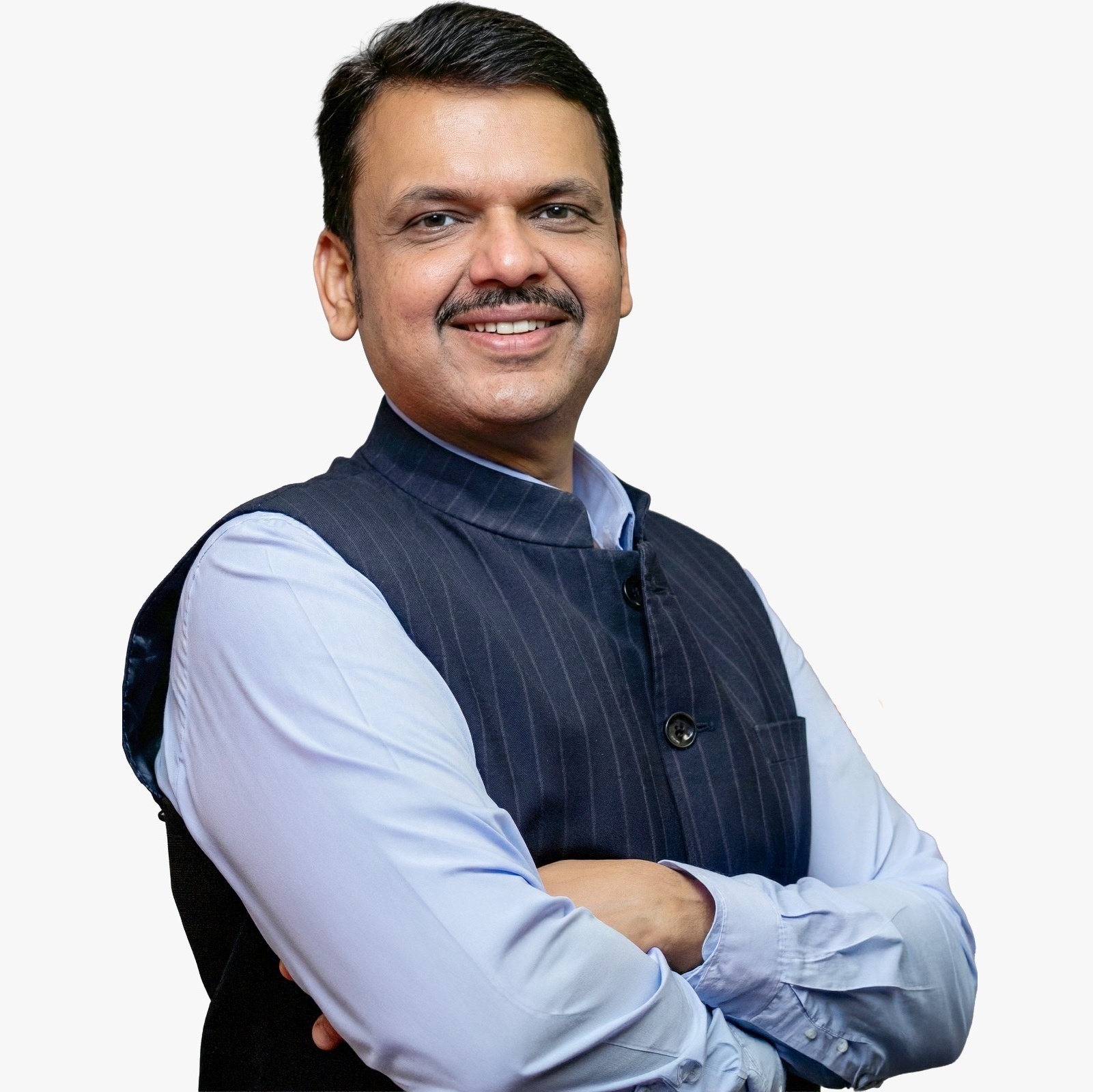
Devendra Fadnavis
I am delighted to note that The/Nudge will be partnering with the Government of Maharashtra, specifically the district administration of Wardha District, to create a model of Presbyopia Diagnosis and Glasses distribution free for the entire district. Preventable blindness control is one of my core focuses, and this will contribute tremendously towards the same.
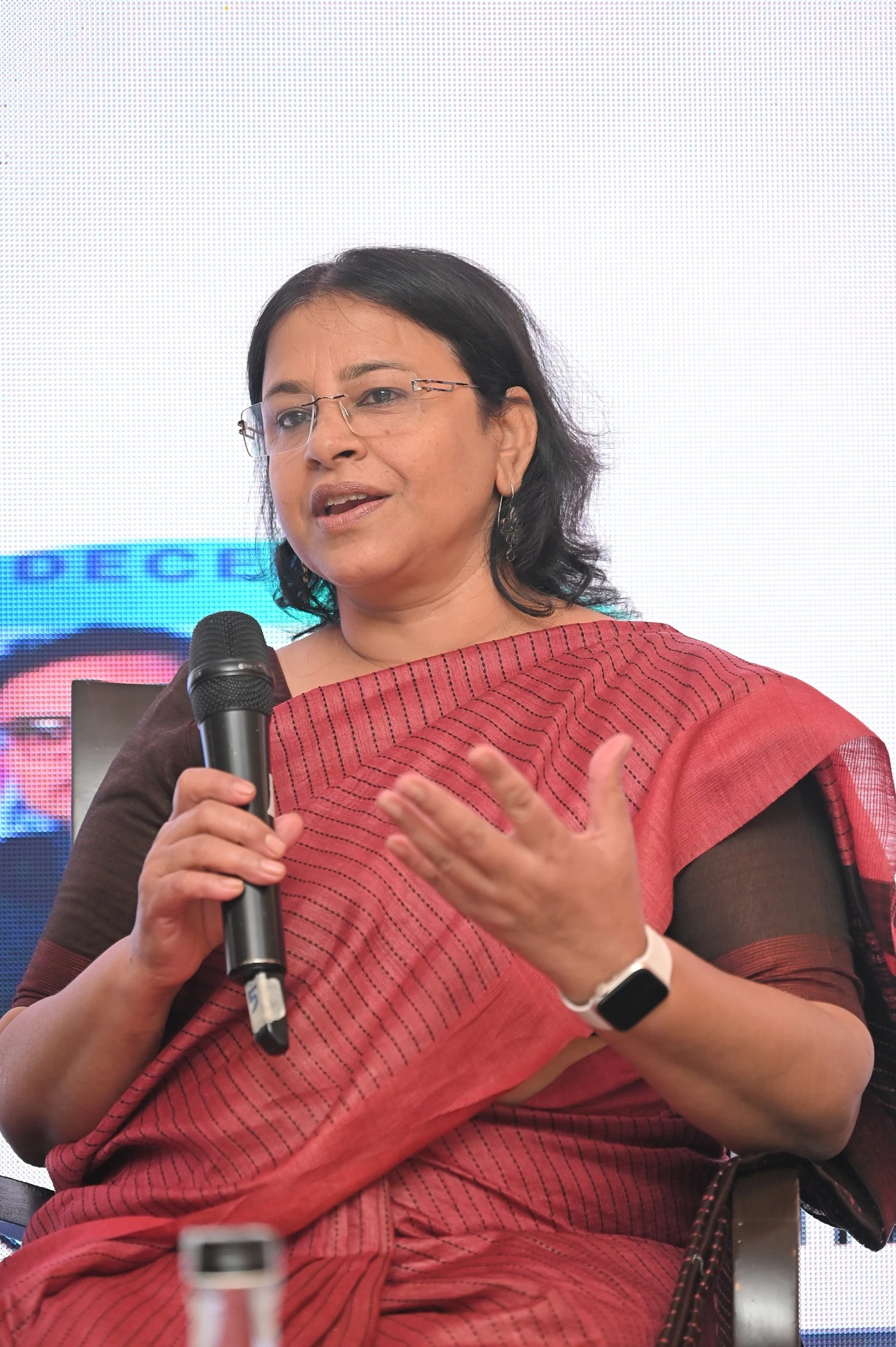
Nita Kejrewal
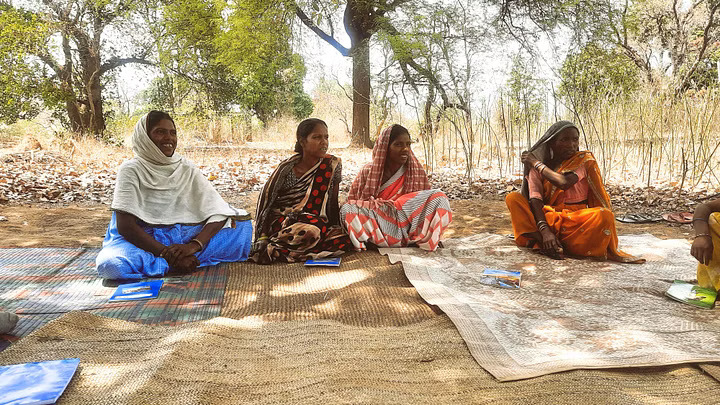
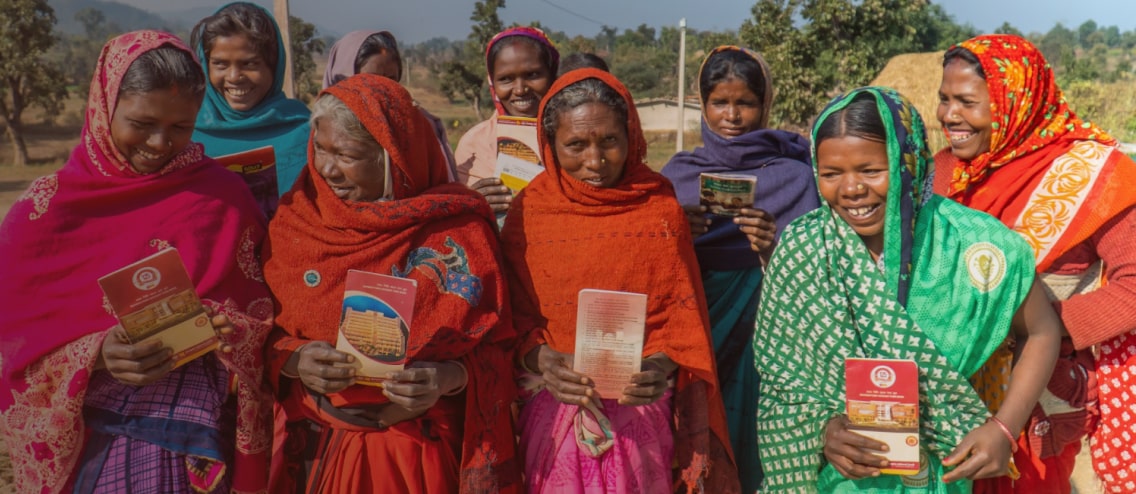
Households often have very low investment capacity and limited confidence to engage. There is a need for structured sequencing and a very concerted and specific effort before integration into mainstream SHG institutions. Time-bound, protected engagement is critical before mainstream institutional integration.
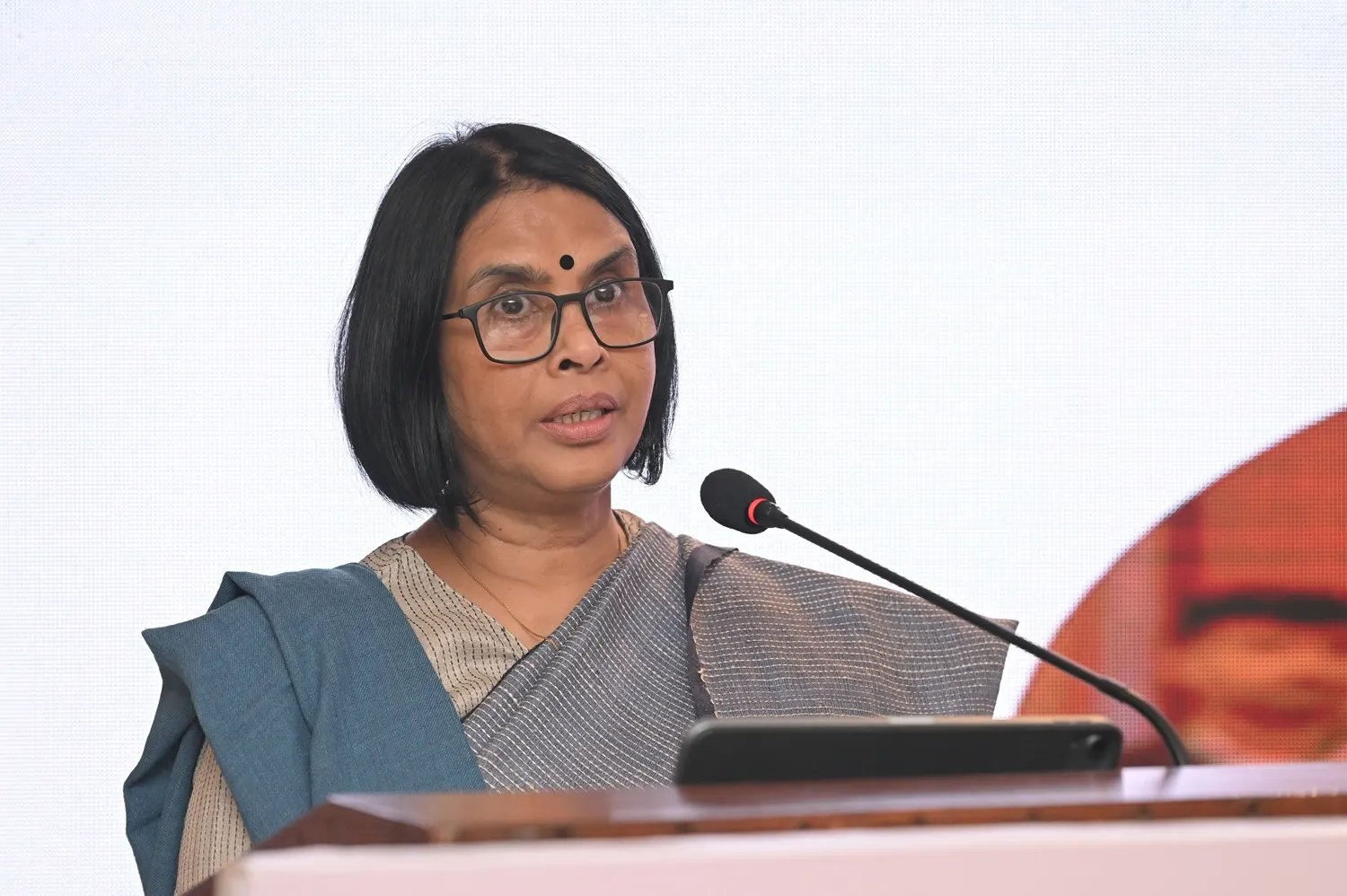
Smriti Sharan
The last mile is not a metaphor; it is a lived geography. It demands proximity, contextualisation, patience, and empathy in implementation – demonstrated ably from the work with single mothers in Meghalaya, to denotified Lodha Sabar communities in West Bengal to PVTG communities across states.